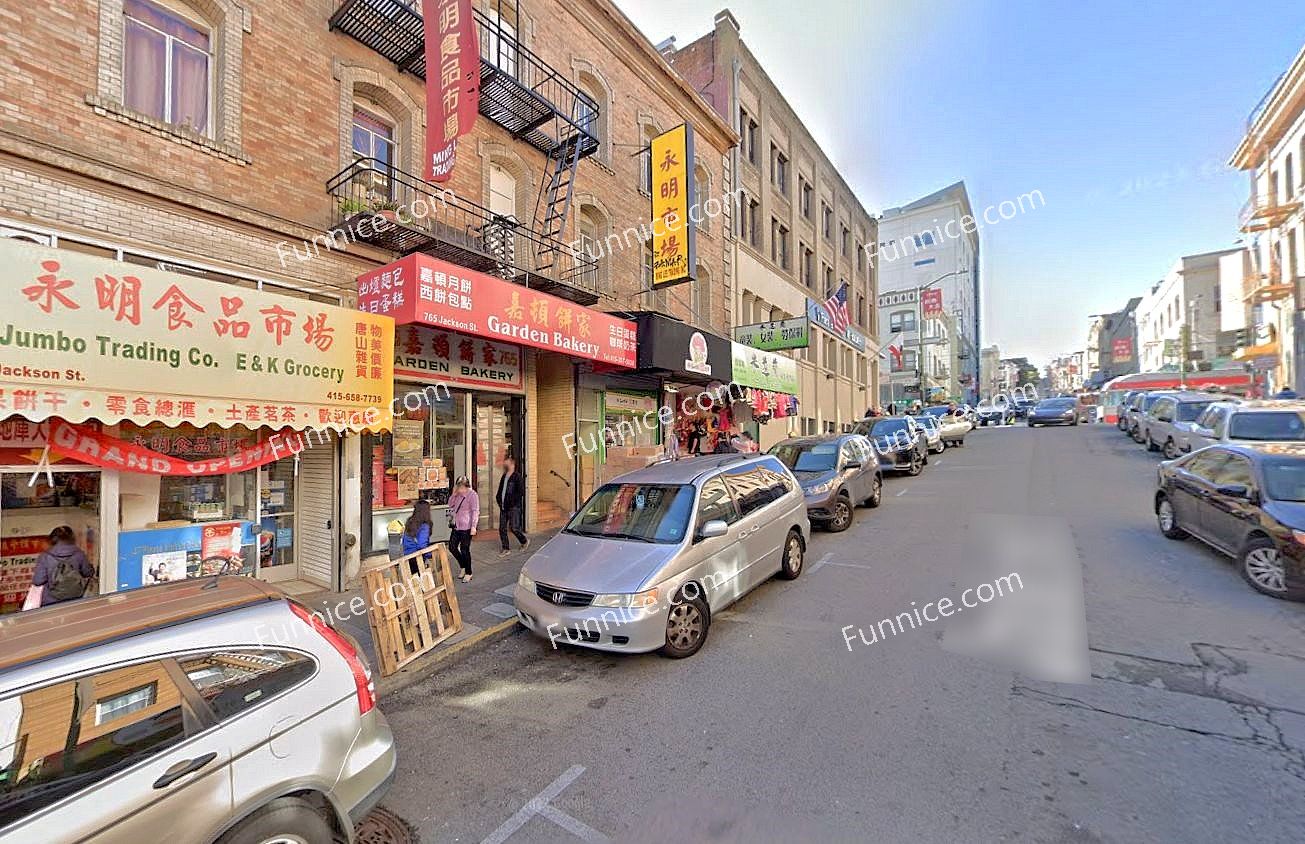
San Francisco Chinatown is the oldest Chinatown in North America and one of the most famous and largest Chinese communities outside Asia. Since its establishment in the mid-19th century, it has played an important role in the history of Chinese immigrants in the United States and across North America. In addition to serving as a landing point and home for many Chinese immigrants, Chinatown is also one of San Francisco’s major tourist attractions. According to some statistics, the area attracts even more annual visitors than the Golden Gate Bridge.
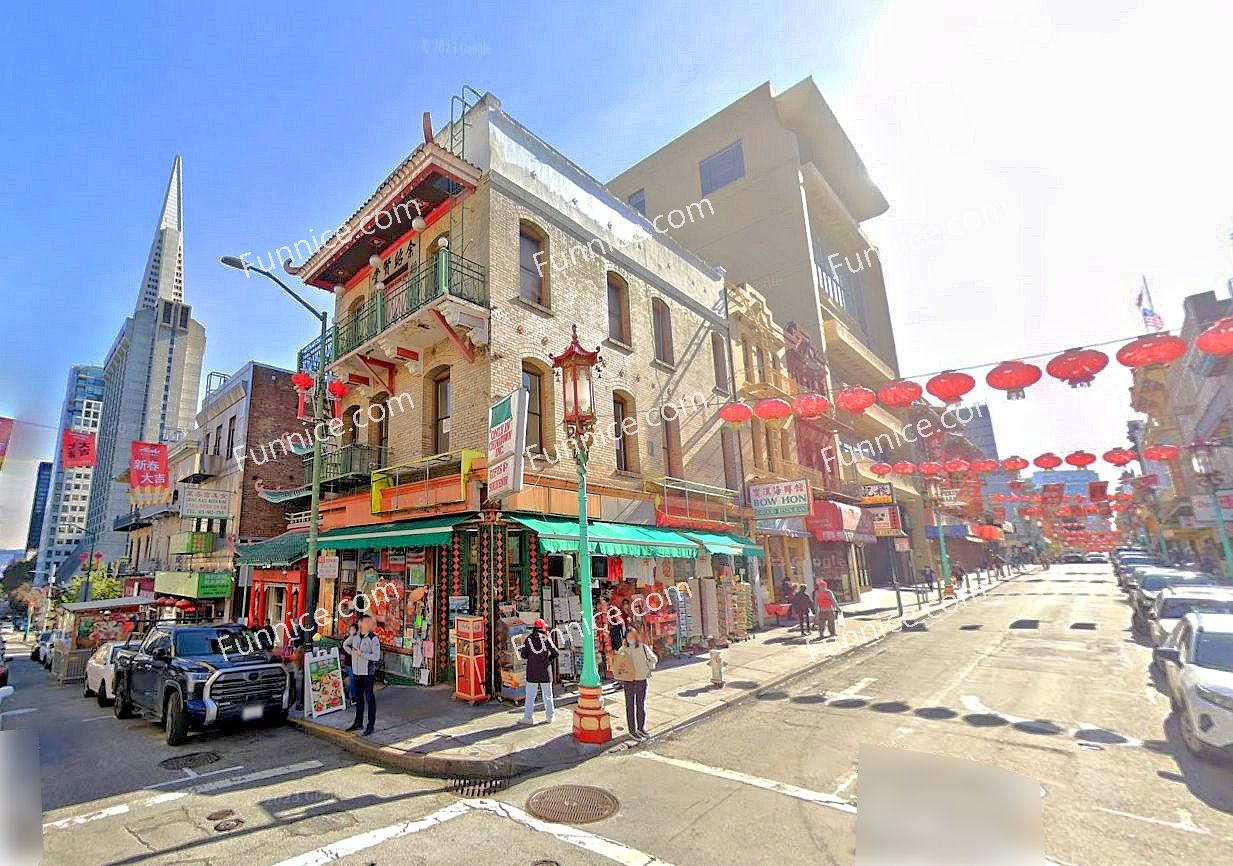
Traditionally, San Francisco Chinatown is located between North Beach, the Financial District, and Union Square. Its main boundaries are generally considered to be Bush Street, Broadway, Columbus Avenue, and Kearny Street. The heart of Chinatown is centered around Grant Avenue and Stockton Street.
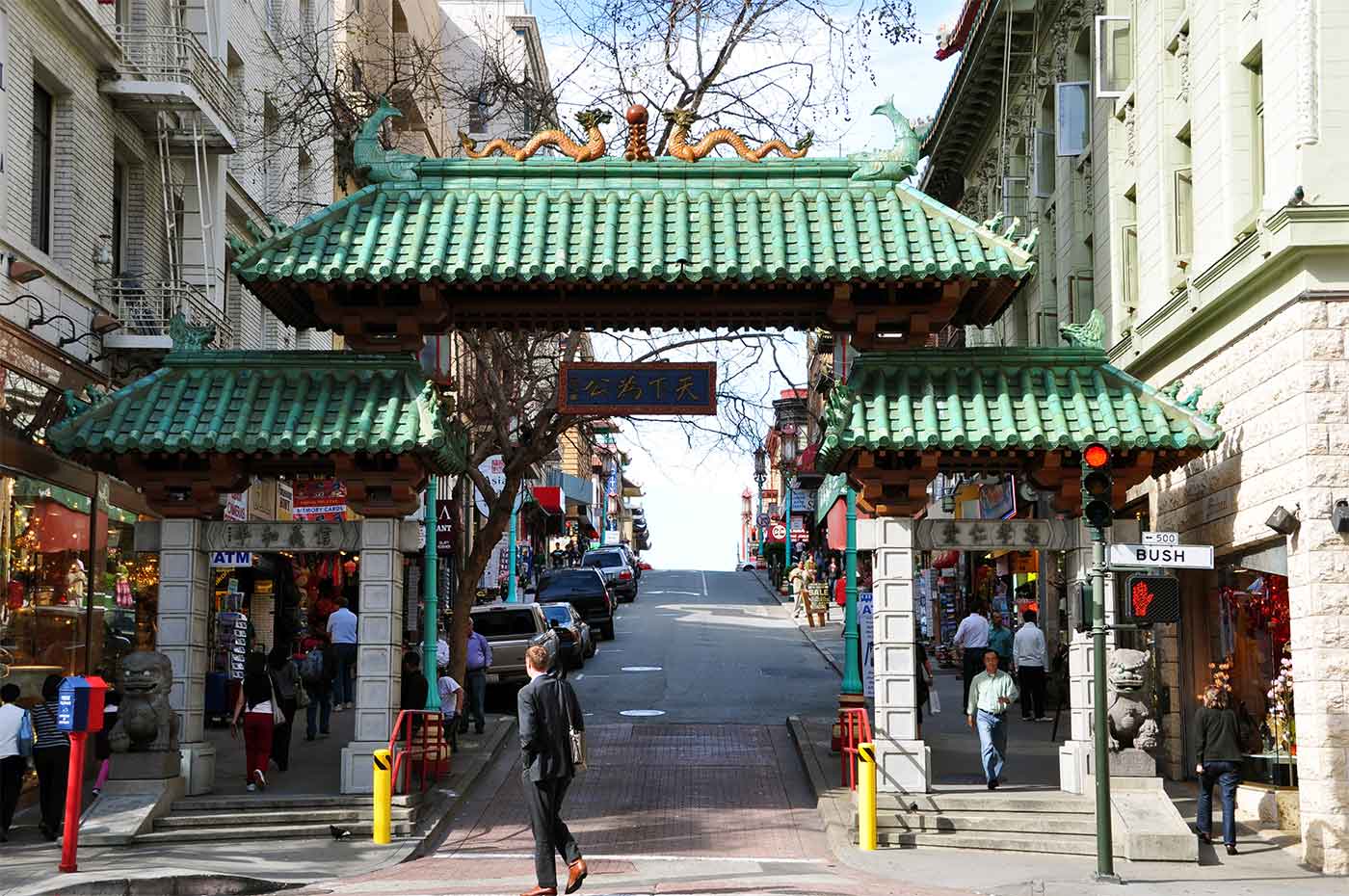
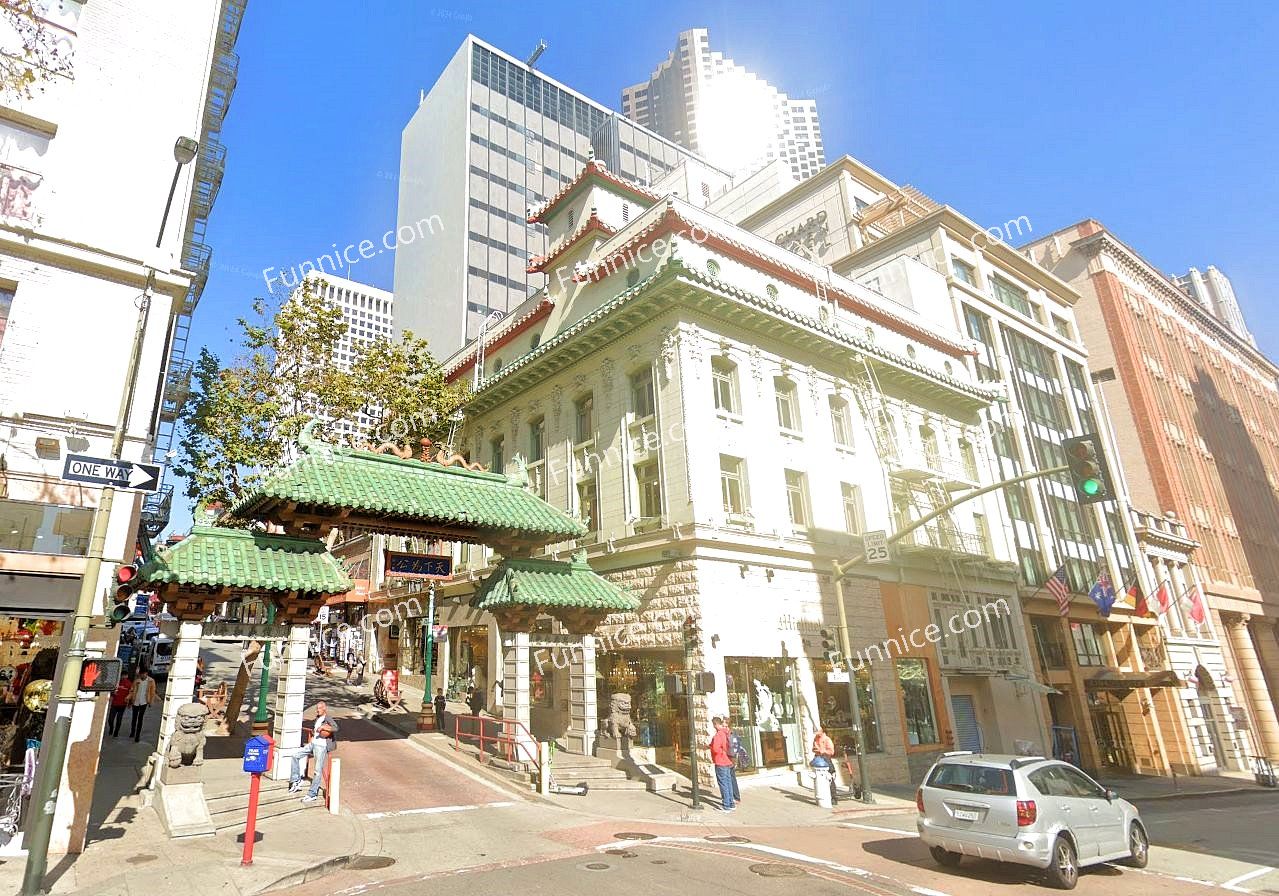
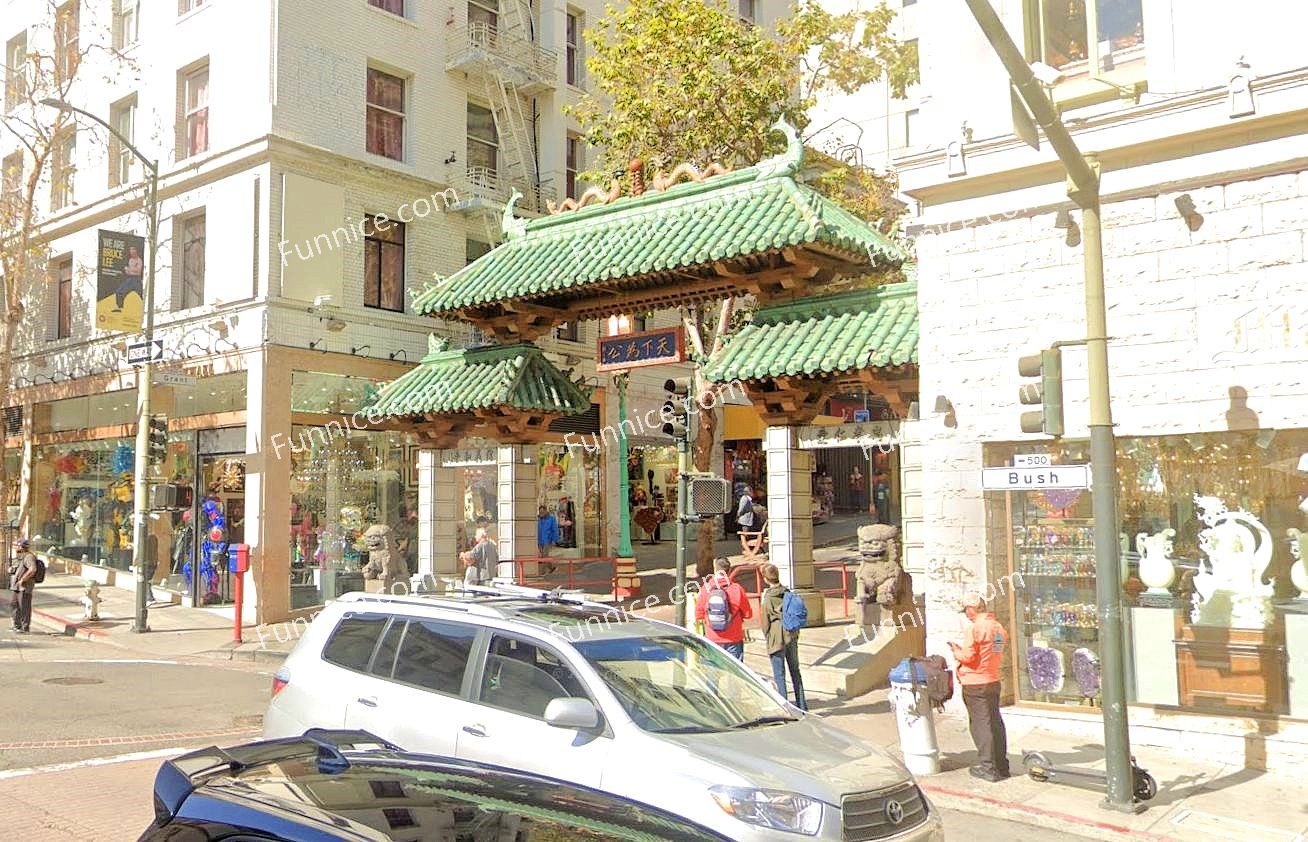
One of Chinatown’s most iconic landmarks is the Dragon Gate, located at the intersection of Grant Avenue and Bush Street. Grant Avenue is known for its tourist-oriented shops, restaurants, and traditional Chinese-style architecture, while Stockton Street serves more local residents with Chinese markets, grocery stores, and restaurants, making it one of the busiest commercial streets in the neighborhood.
Opened in late 2022, Chinatown–Rose Pak Station became the northern terminus of the Central Subway and is served by the Muni T Third Street line, significantly improving transportation access between Chinatown and other parts of San Francisco.
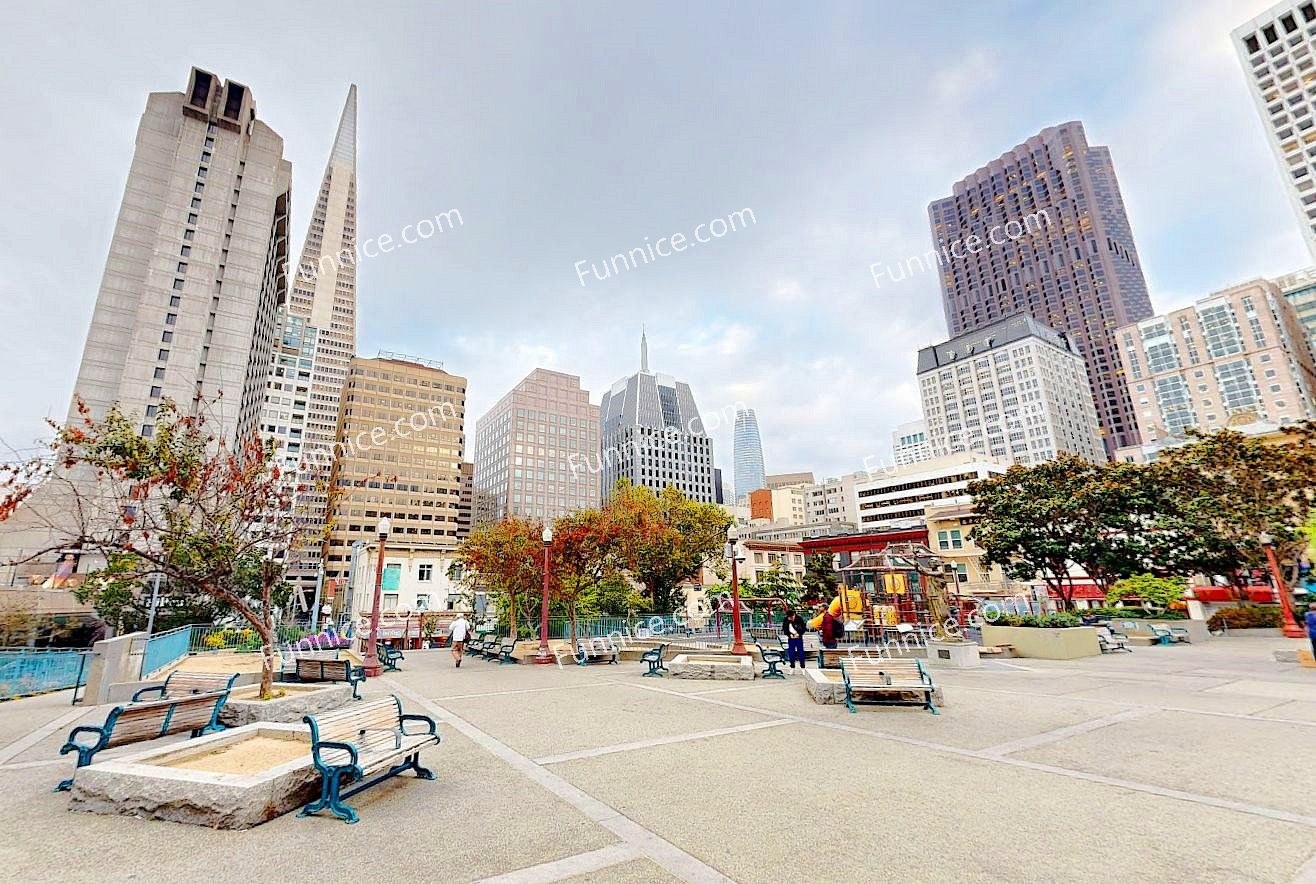
One of the most important public spaces in Chinatown is Portsmouth Square, often referred to as the “living room of Chinatown.” Visitors can frequently see residents practicing tai chi, playing Chinese chess, and participating in festivals and community events.
Cantonese and Taishanese have traditionally been the dominant languages spoken in San Francisco Chinatown, reflecting the early immigrants’ roots in Guangdong Province and the Pearl River Delta region of southern China. In recent years, Mandarin has also become more common due to newer waves of immigration, though Cantonese remains one of the community’s most representative languages.