The Sun Fortress of the Blue City
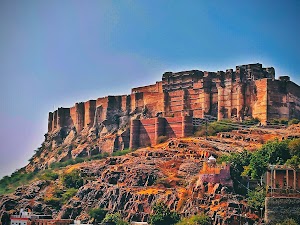
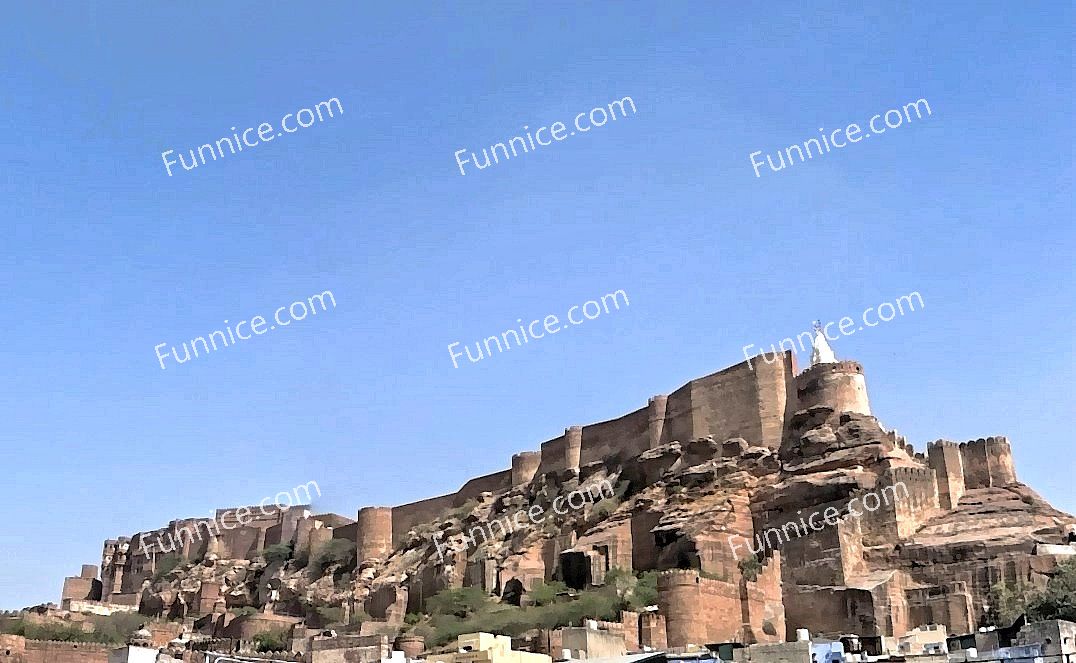
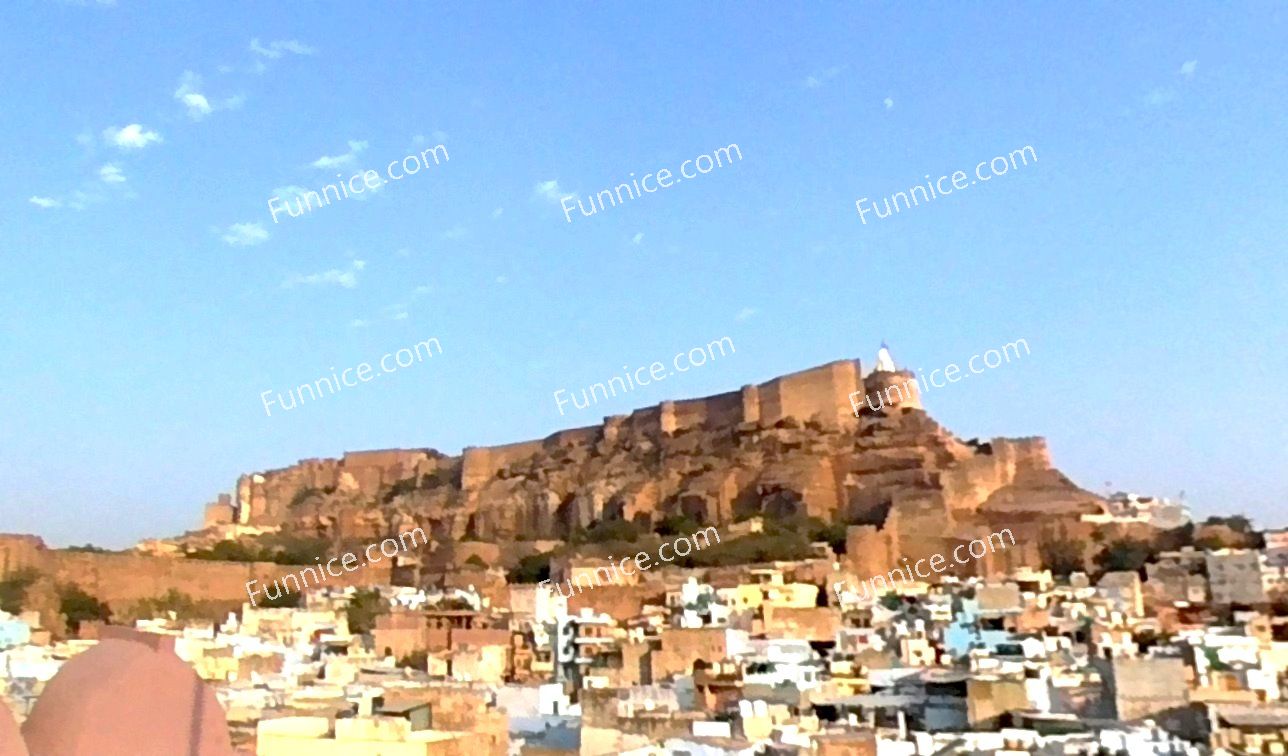
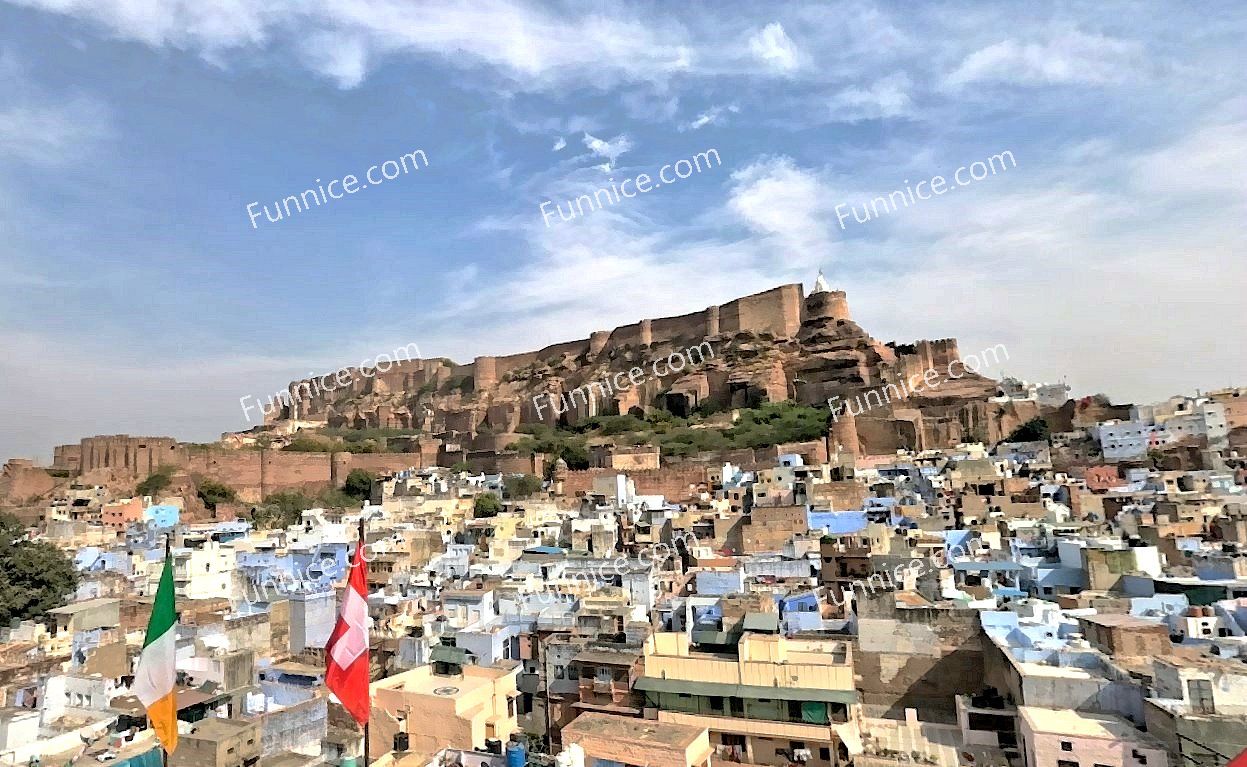
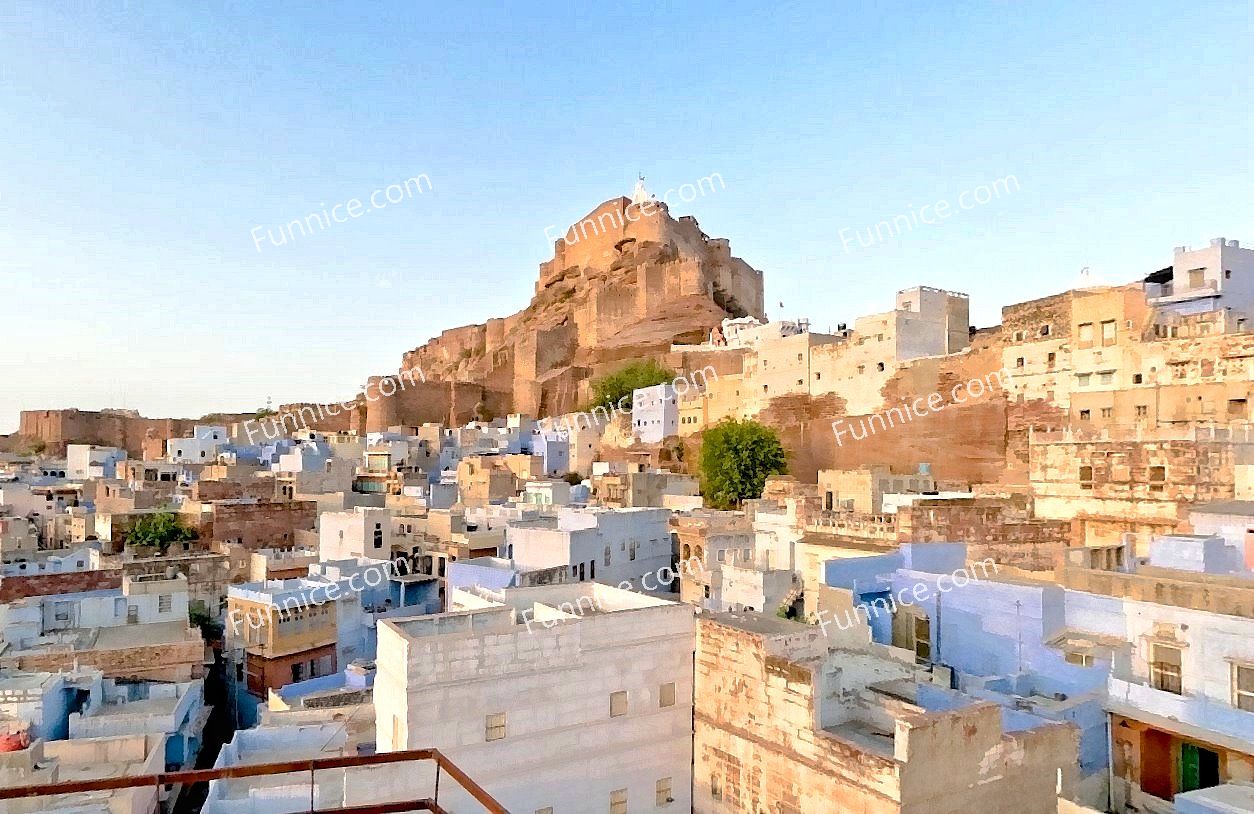
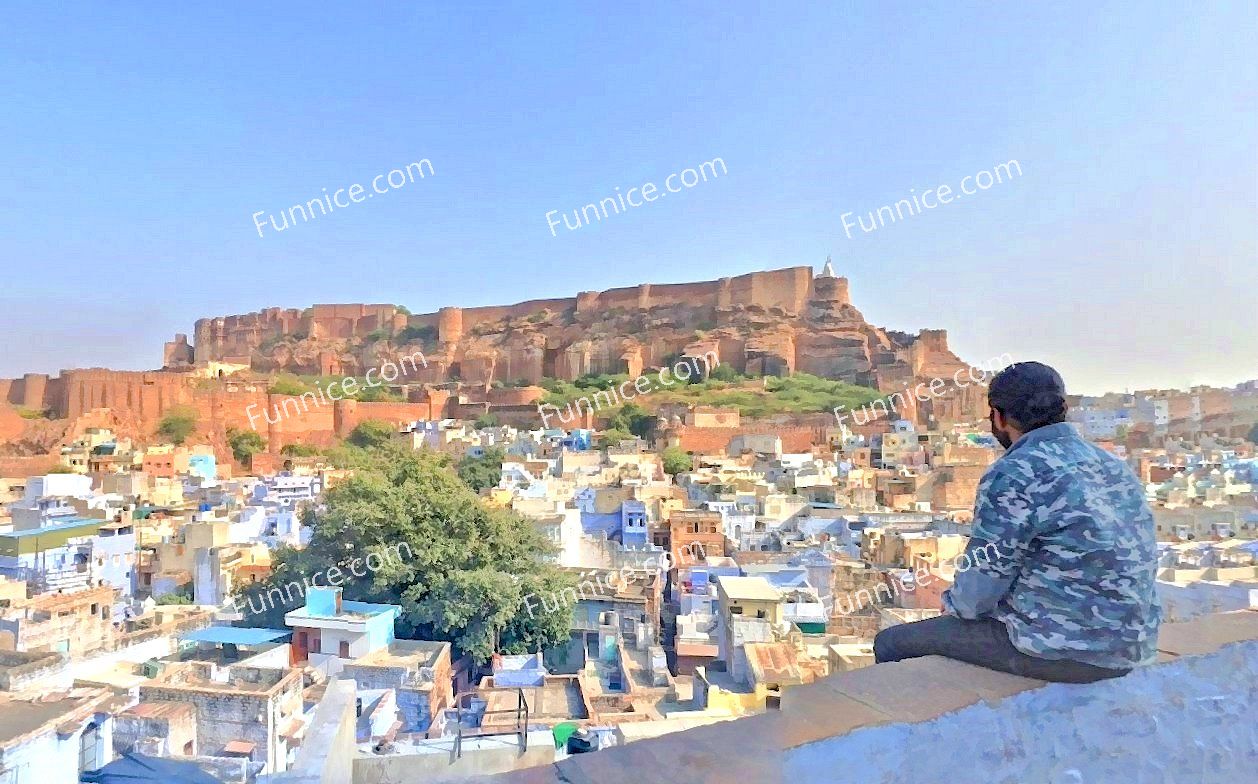
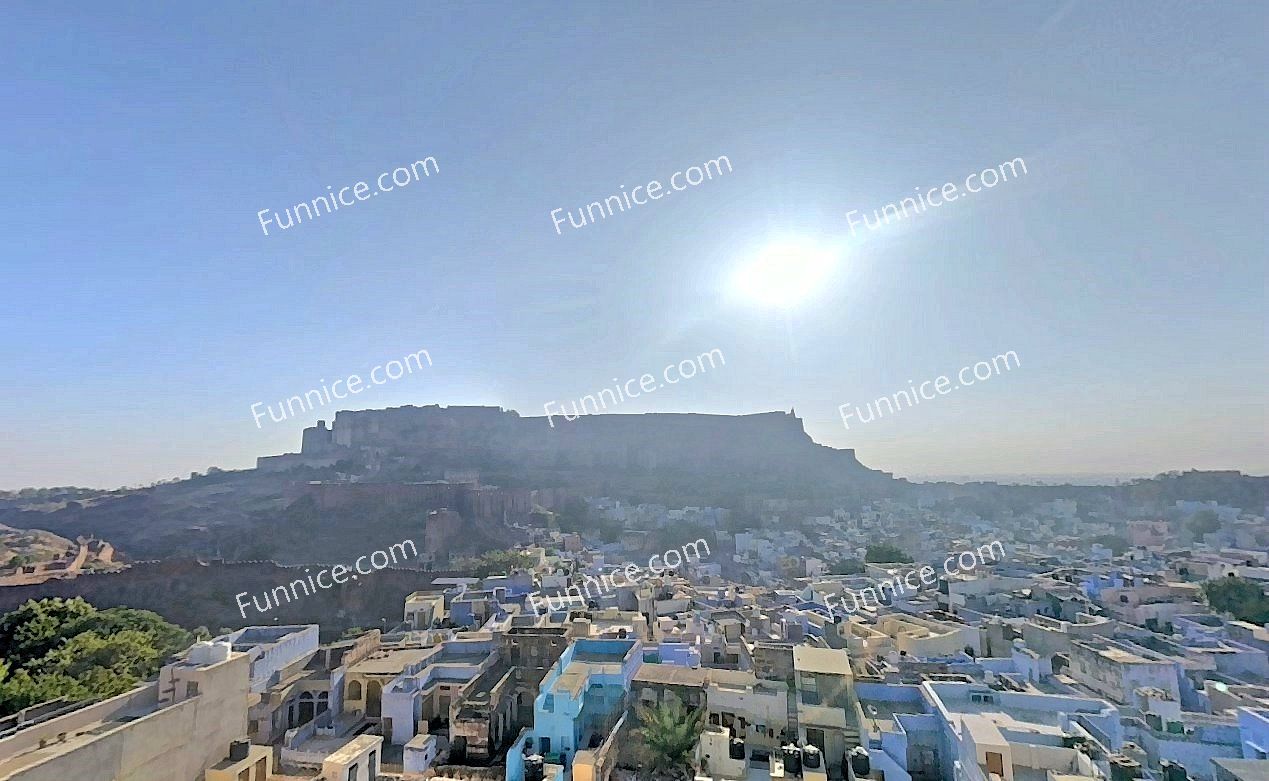
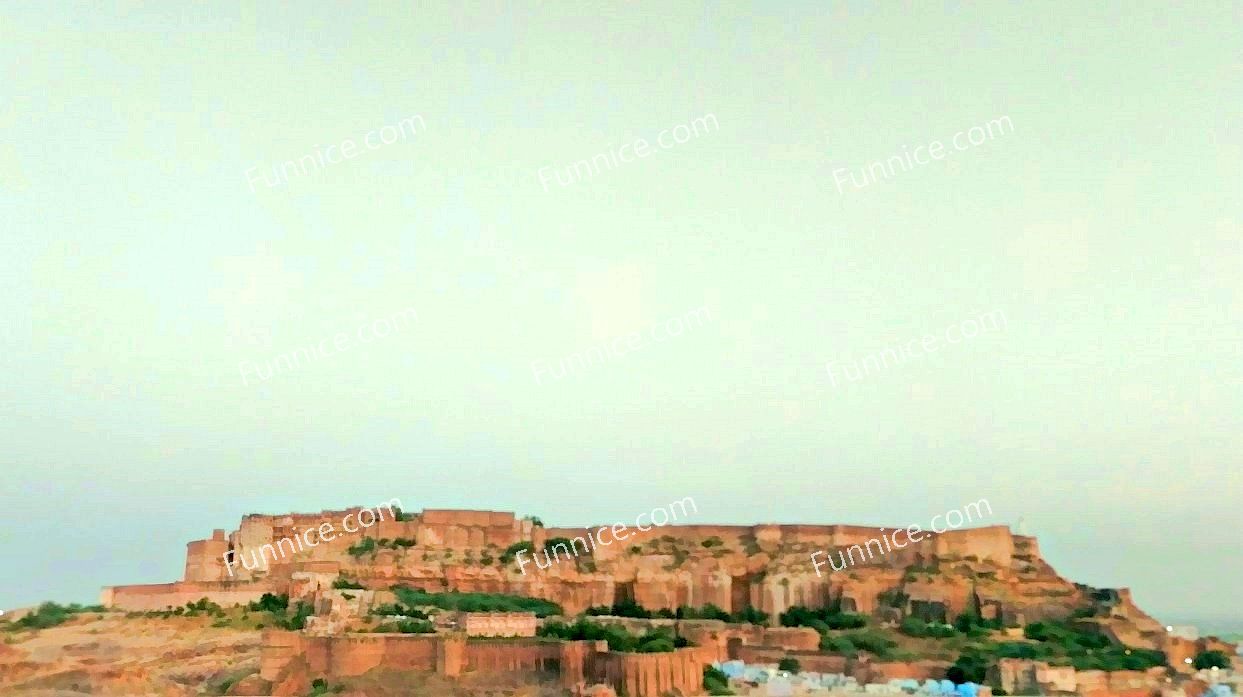
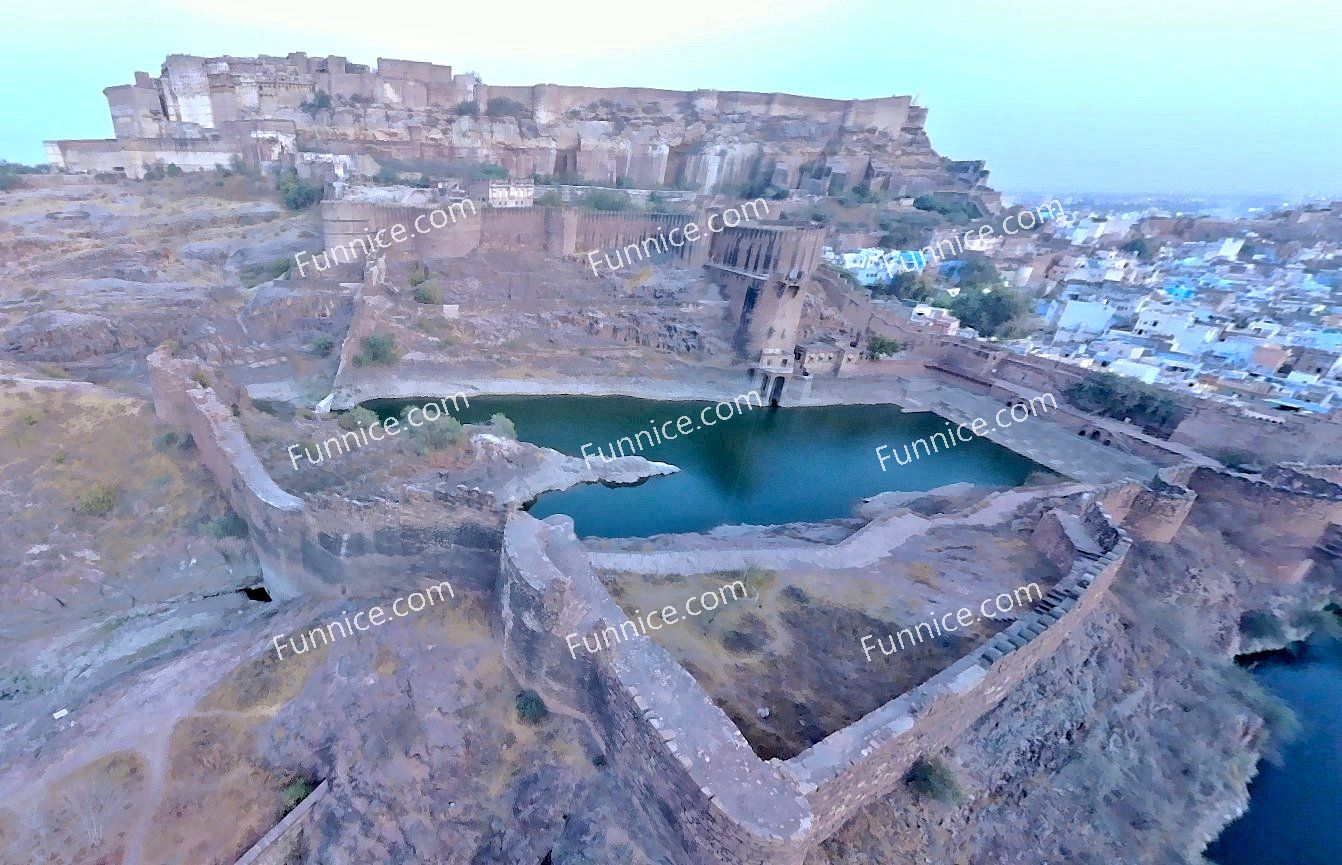
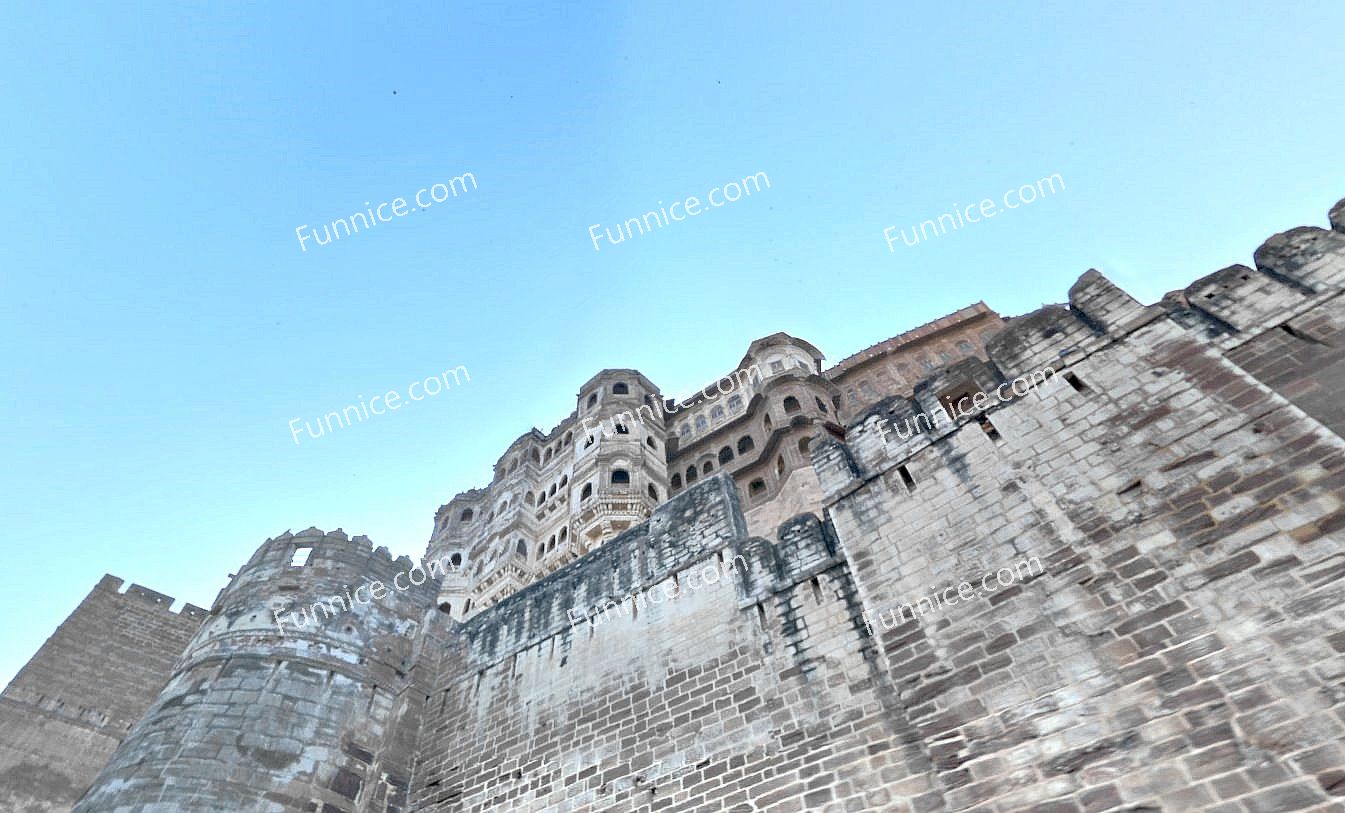
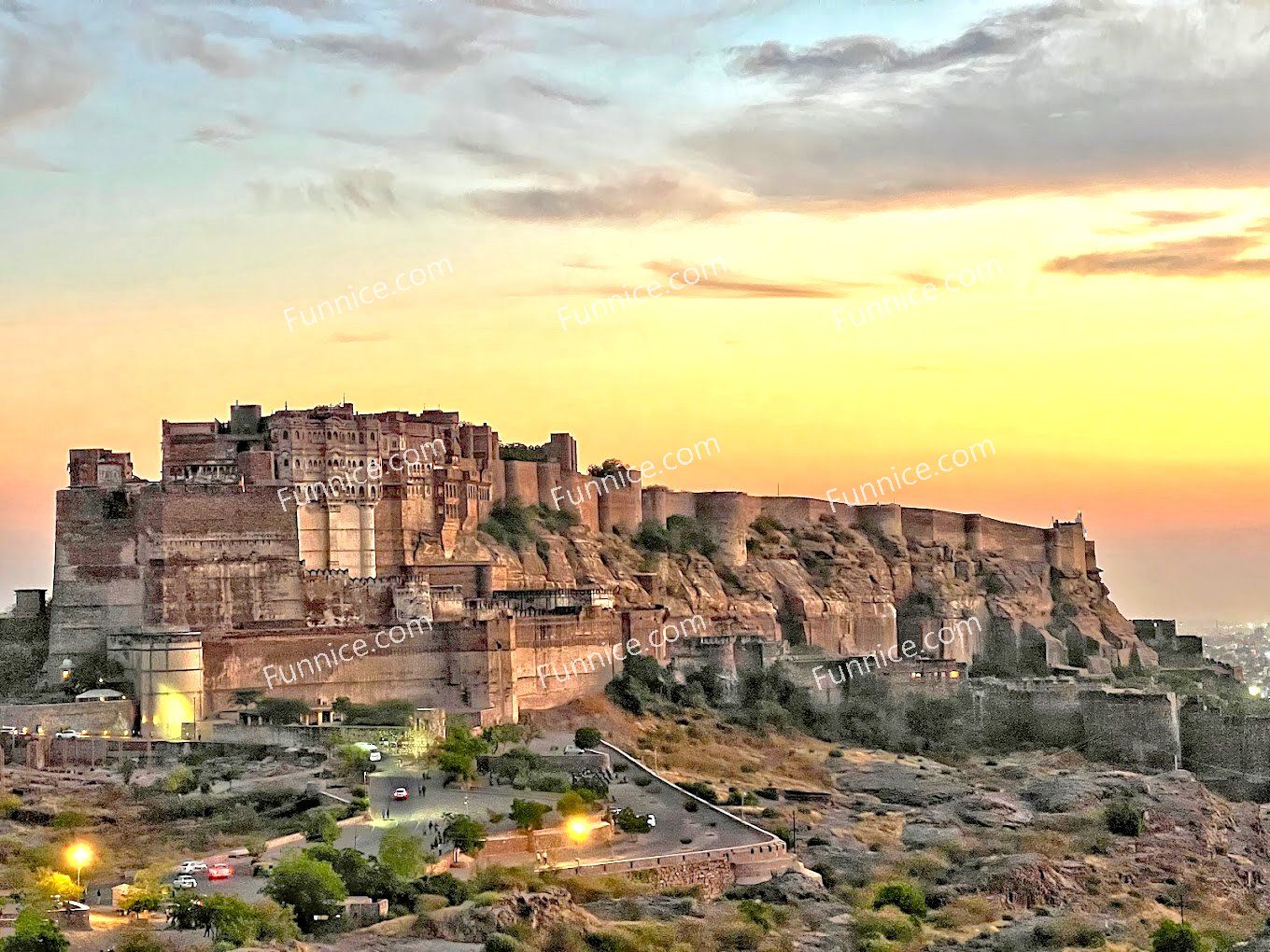
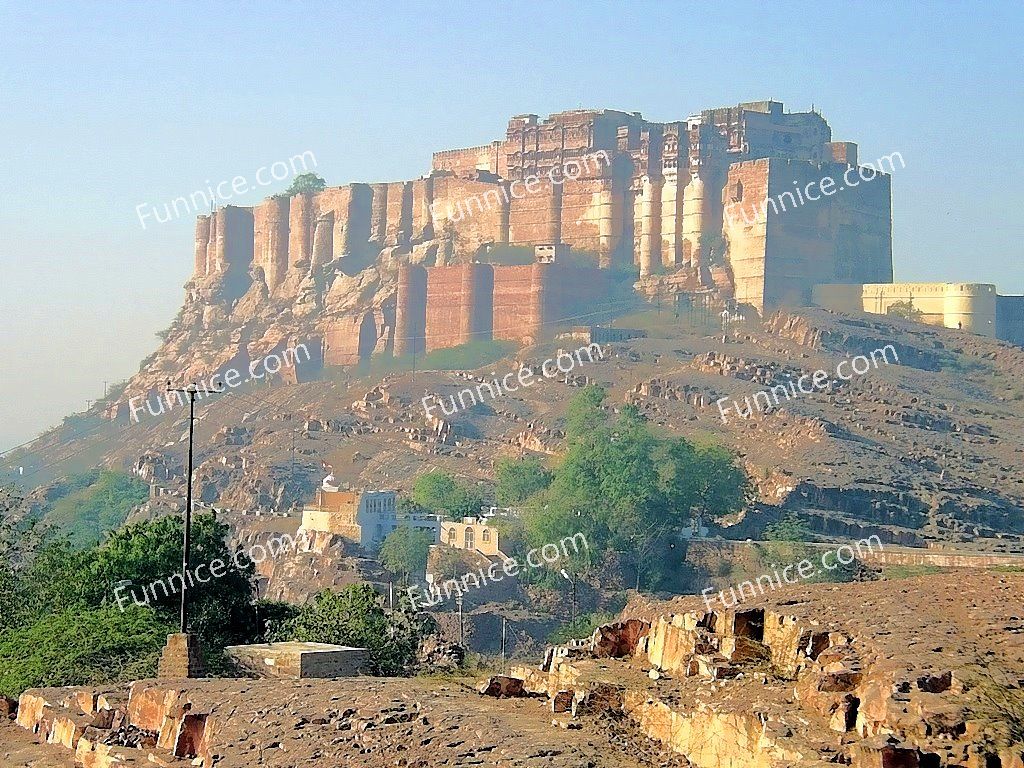
Standing high above the city of Jodhpur in Rajasthan, India, Mehrangarh Fort—often called the “Sun Fortress”—is impossible to miss. Perched on a hilltop and towering over the famous Blue City, it feels less like a monument and more like a silent guardian watching over the old town. No matter where you wander in Jodhpur’s historic streets, the massive walls of the fort always seem to appear in the distance.
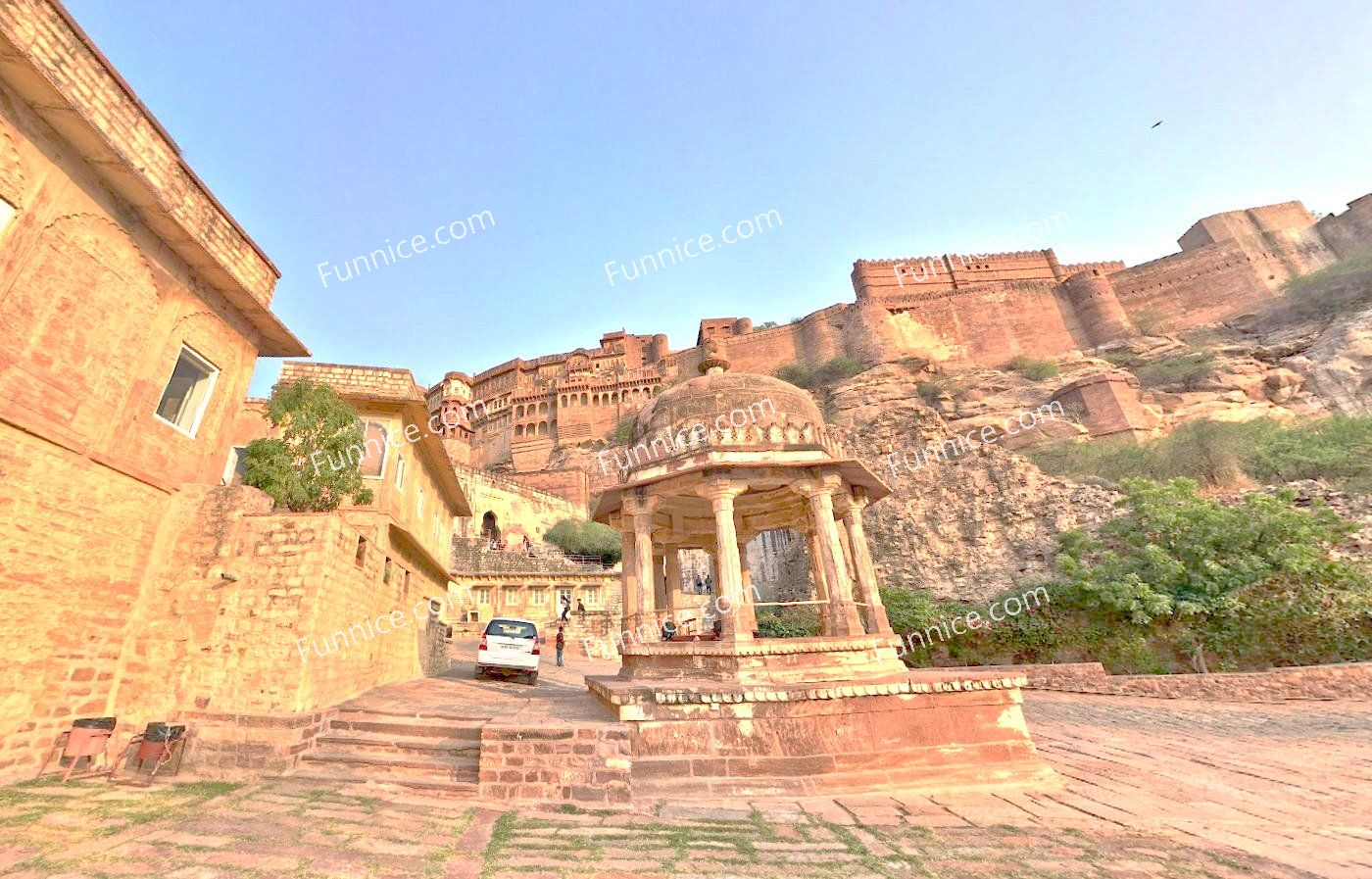
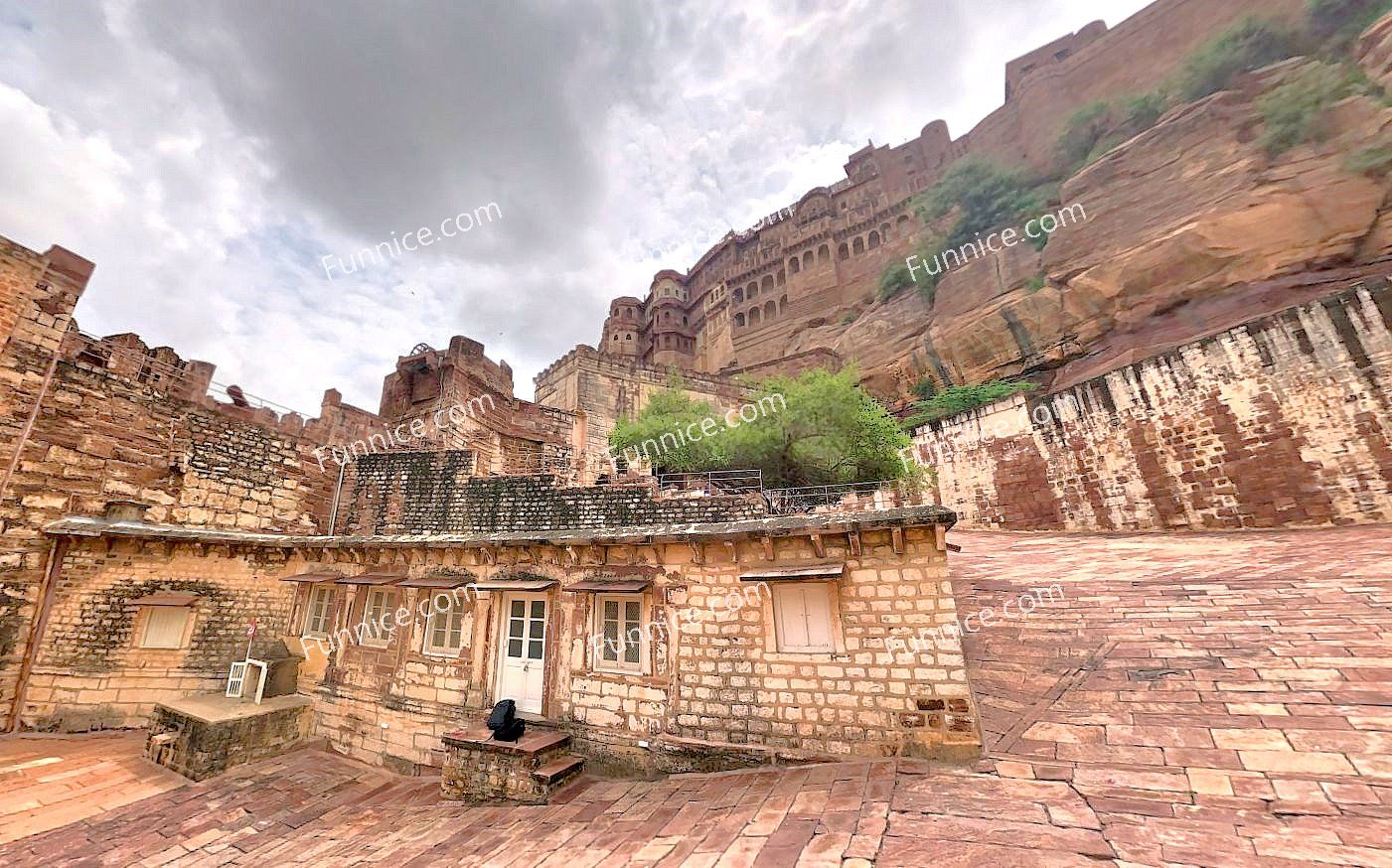
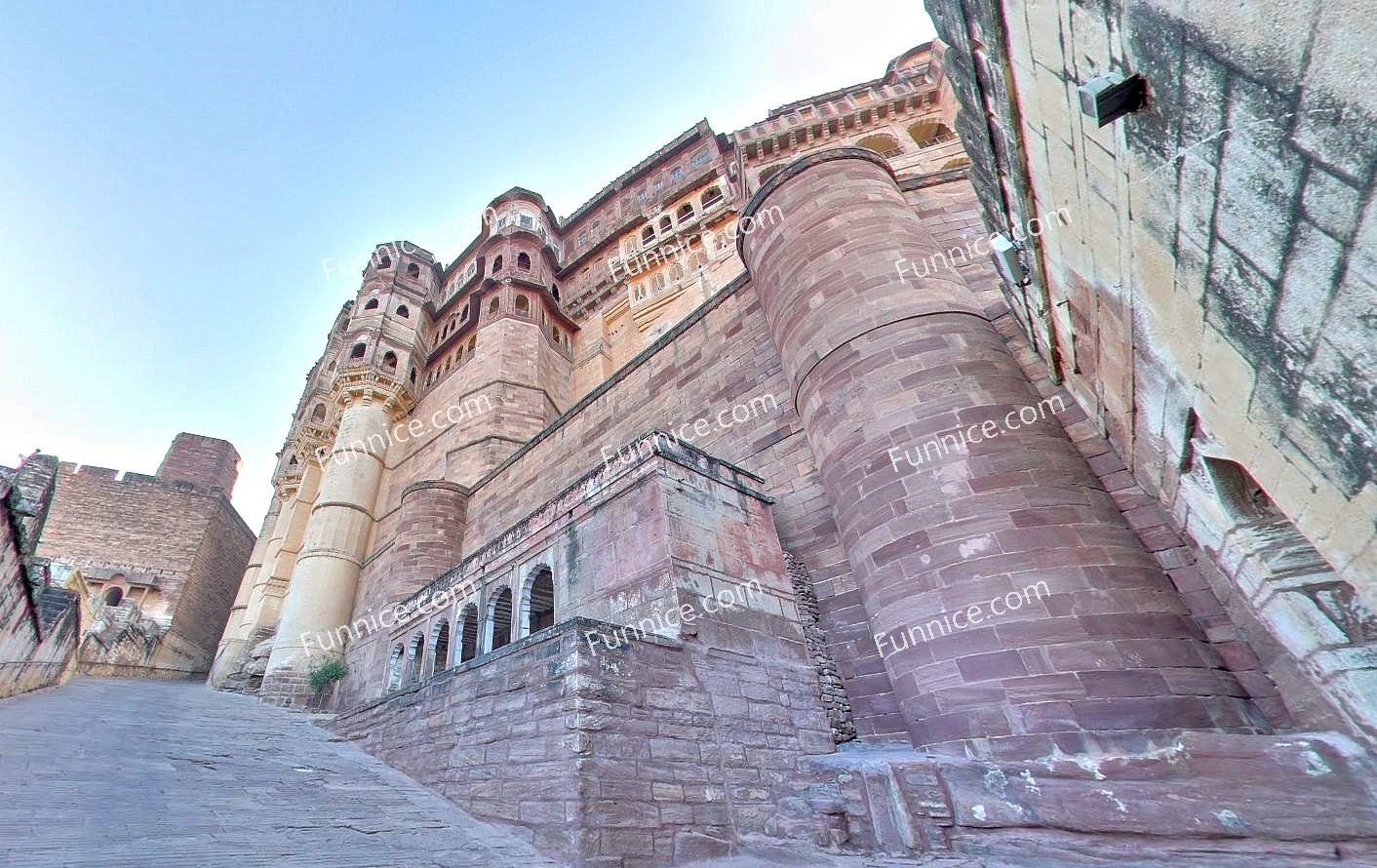
Mehrangarh Fort was built in 1459 by Rao Jodha, the founder of Jodhpur. He chose a dramatic 125-meter-high cliff as its location, creating a natural defensive stronghold to protect his kingdom. But according to local legend, the land originally belonged to a hermit who was forced to move when construction began. Angry at being displaced, he cursed the site, saying the kingdom would forever struggle with water shortages. Even today, with Jodhpur’s dry climate, many locals still remember this old story.
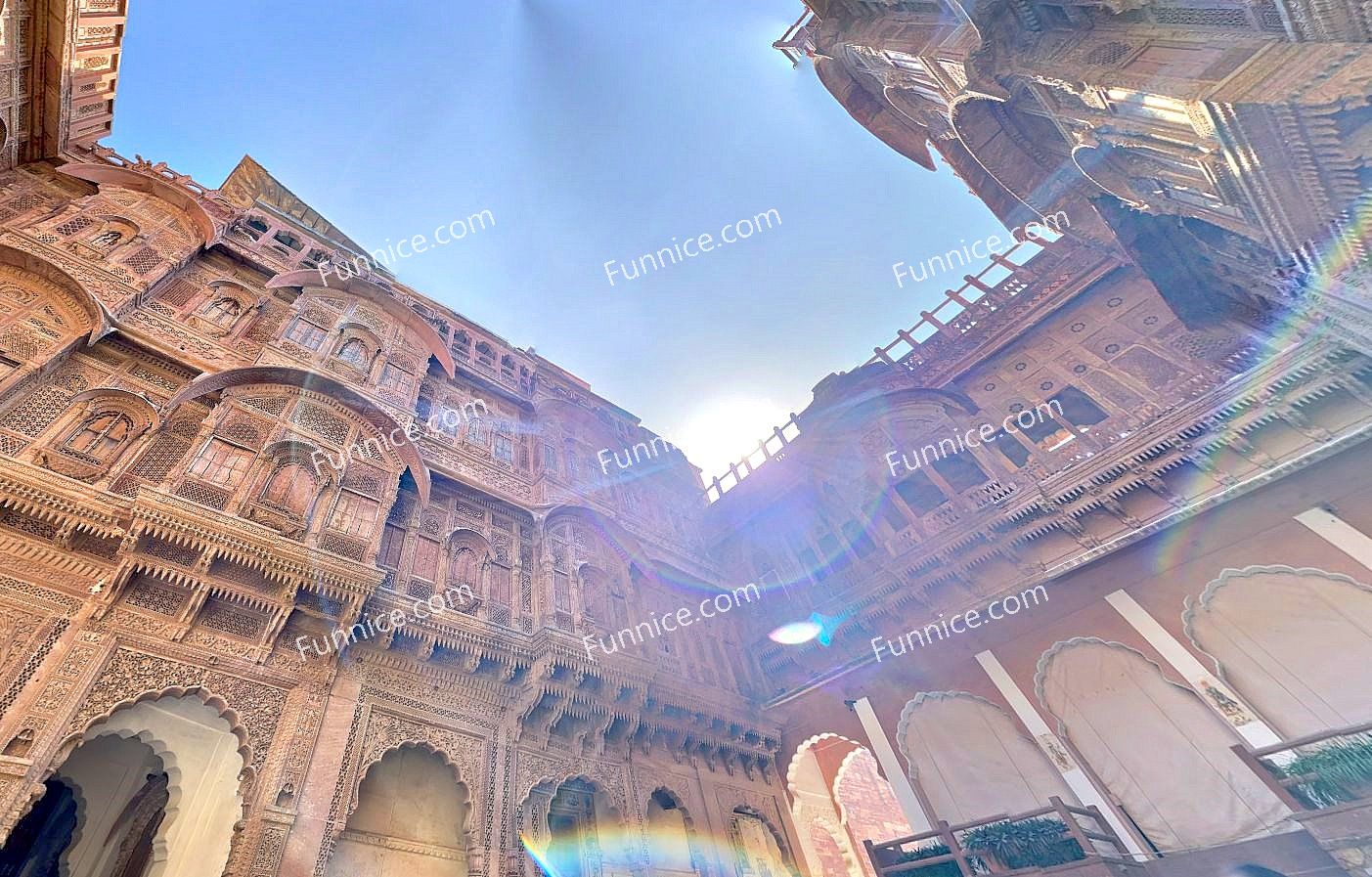
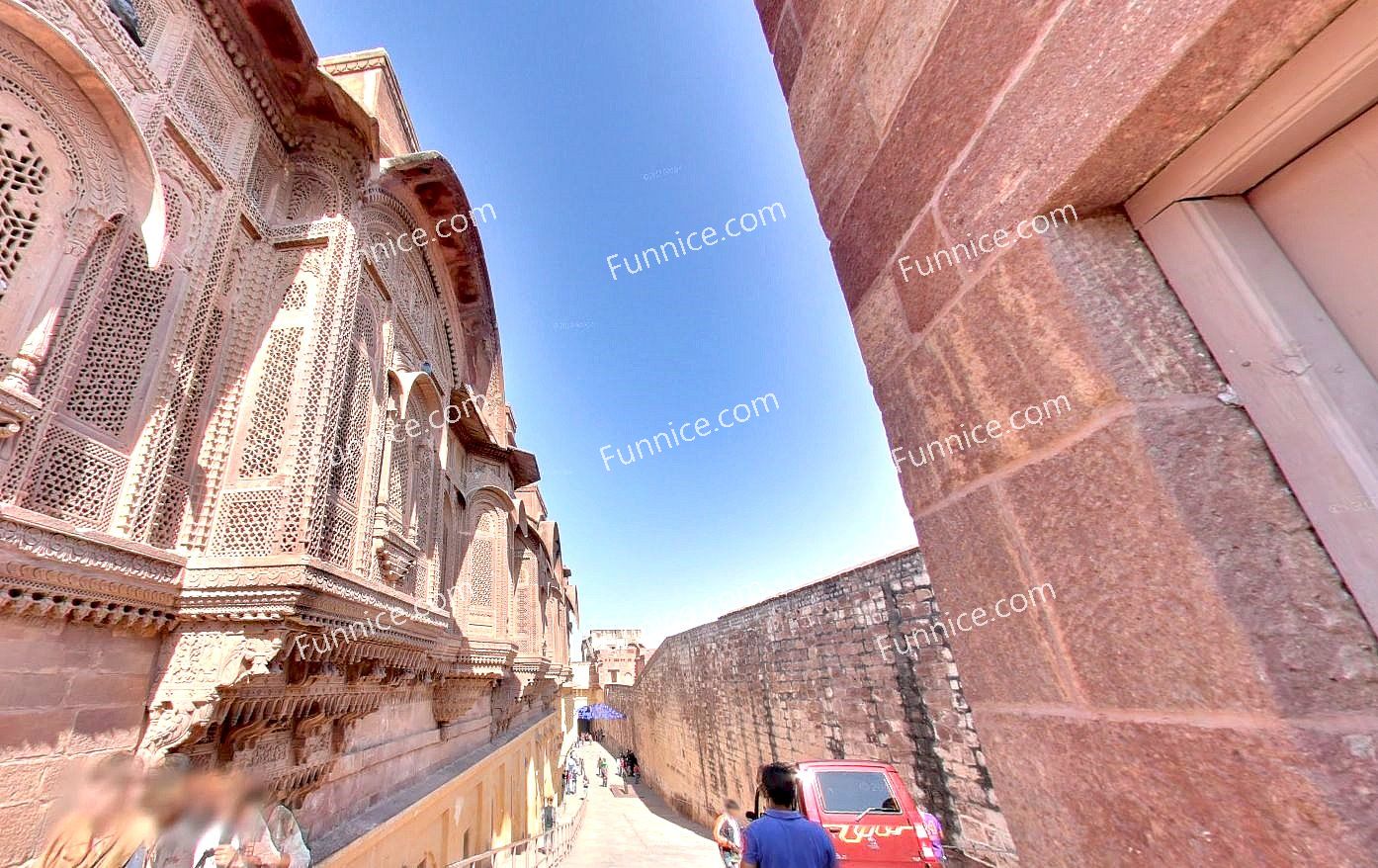
Over the centuries, the fort continued to expand and evolve. What began as a purely defensive fortress gradually developed into a magnificent royal complex. Behind the thick defensive walls lies a world of ornate palaces, intricate carvings, and lavish interiors—clear evidence of the power and wealth of the Rajput rulers who once lived here.
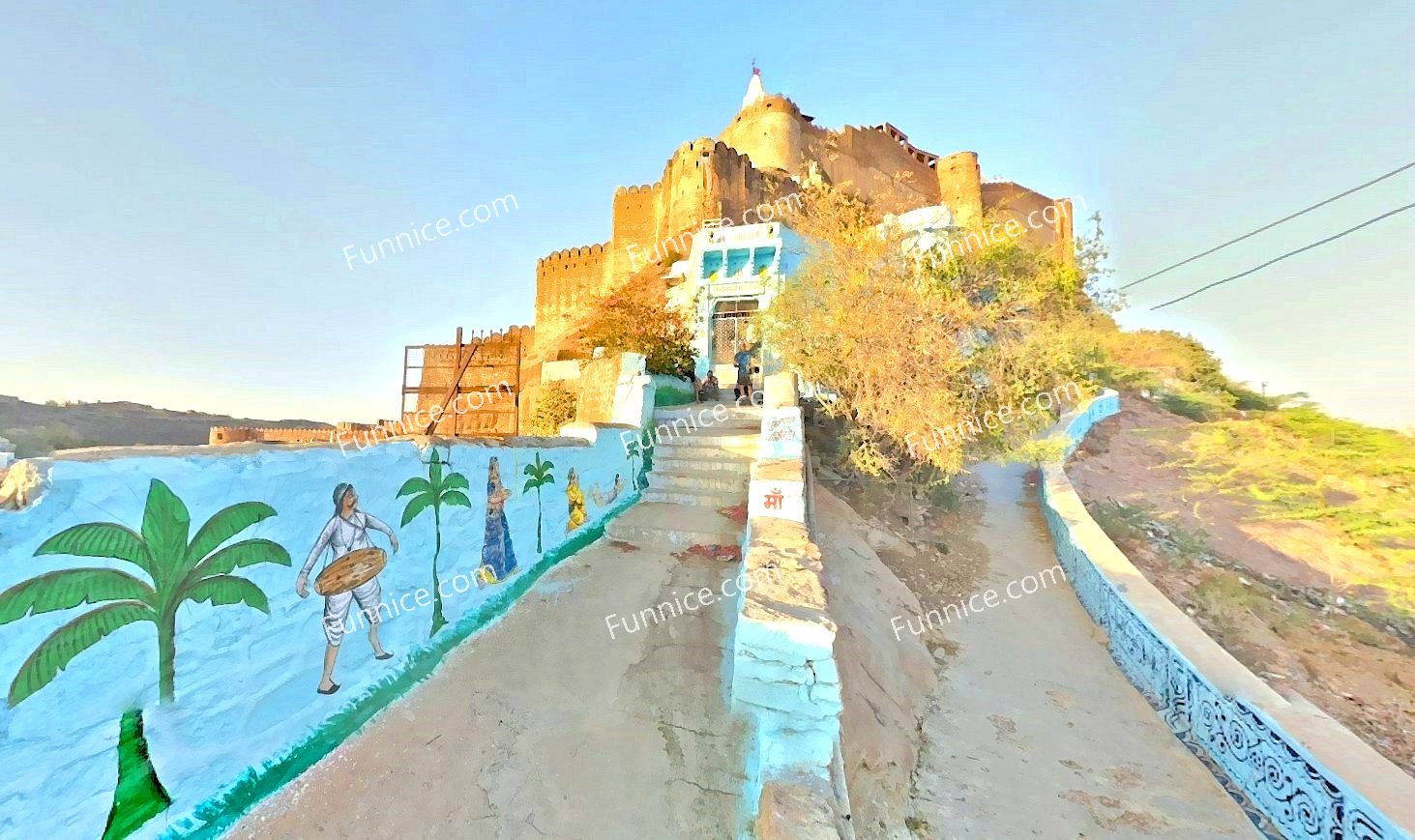
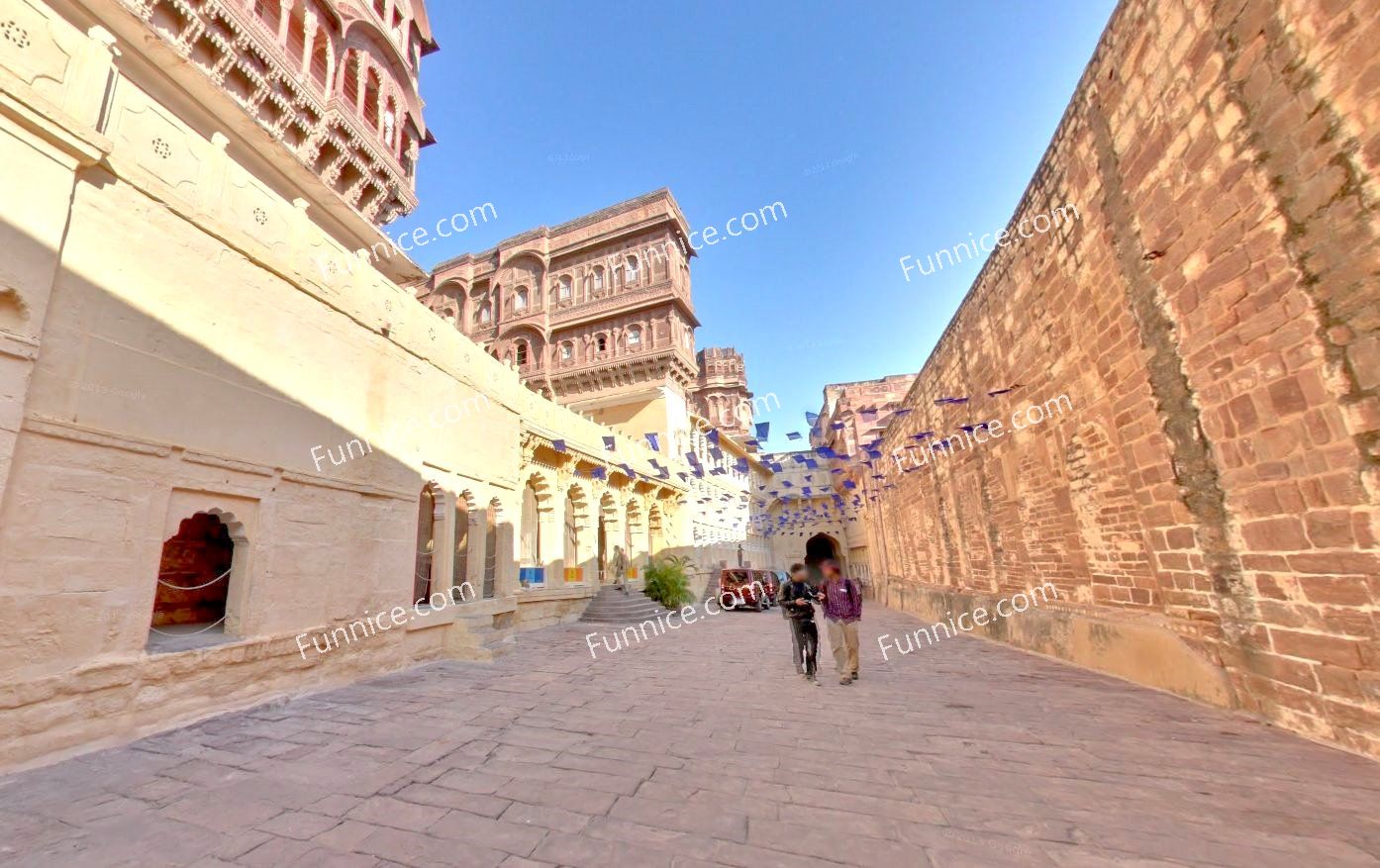
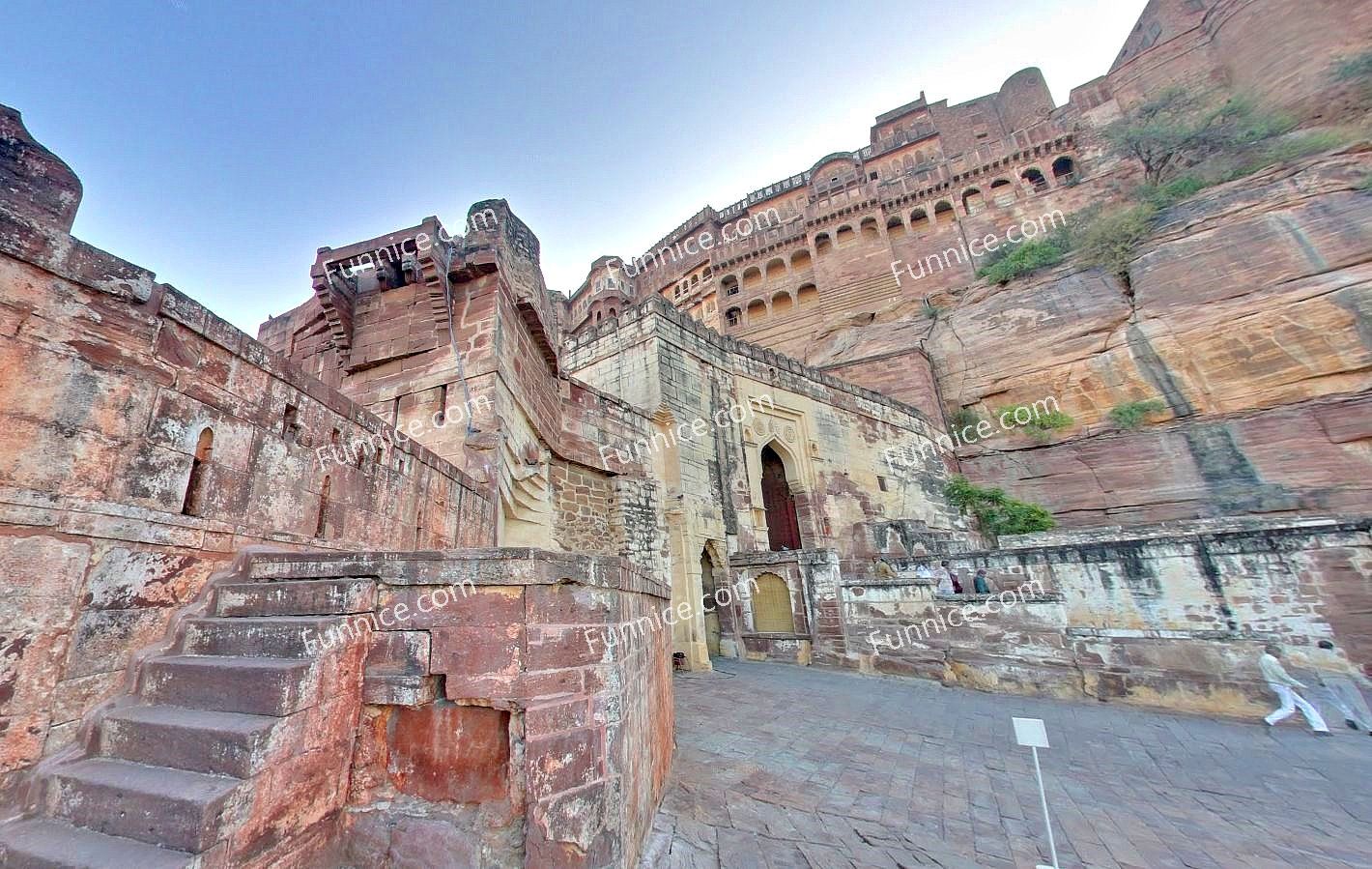
Visitors today enter the fort through the outer gate near the parking area, where tickets and security checks are located. From there, the path winds upward along a zigzagging slope—roughly equivalent to climbing seven to ten stories. Along the way, you pass through a series of seven impressive gates, each carrying its own historical story.
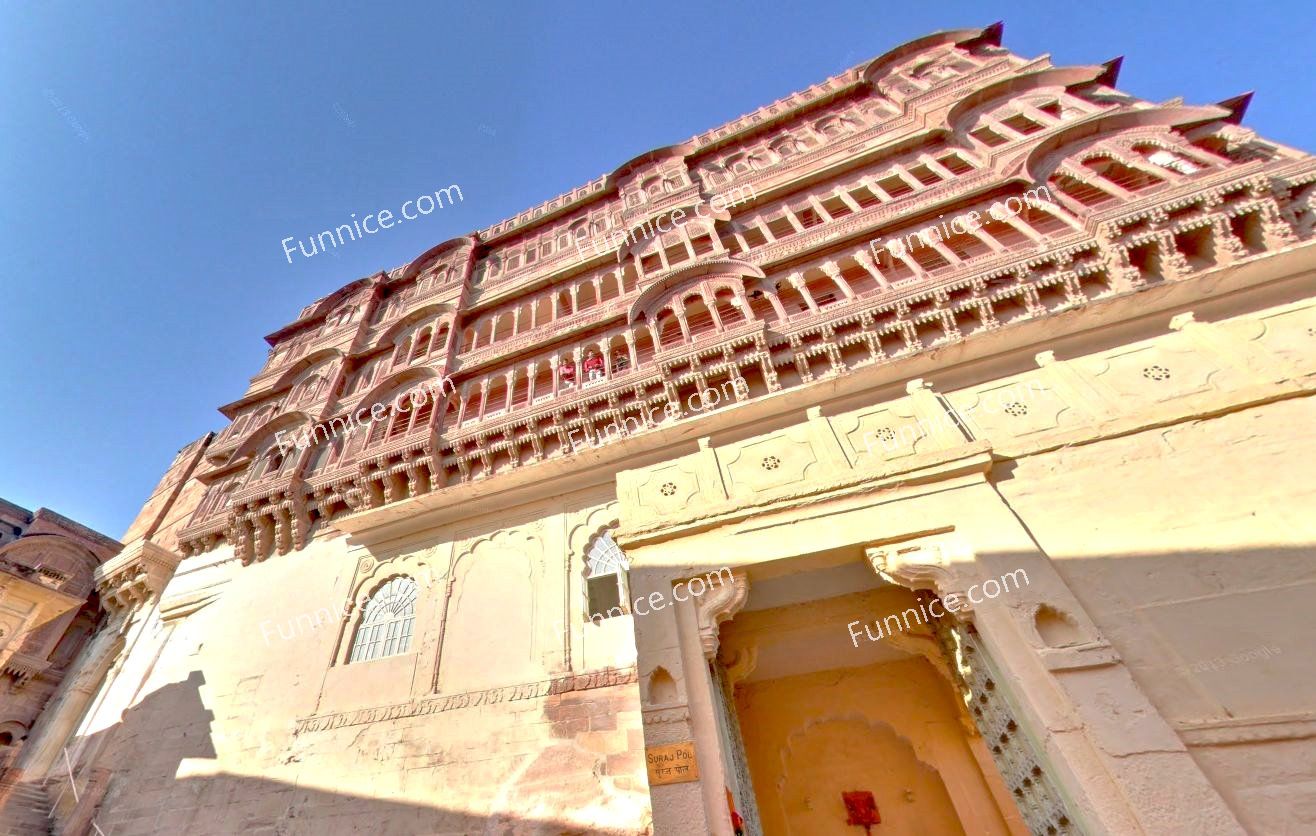
Jai Pol, the “Victory Gate,” was built to commemorate Jodhpur’s triumph over Jaipur and Bikaner in 1806. Another gate, Loha Pol, still bears the handprints of queens who once performed Sati, the ancient ritual in which widows immolated themselves after their husband’s death. Seeing these marks today is a sobering reminder of the customs of that era.
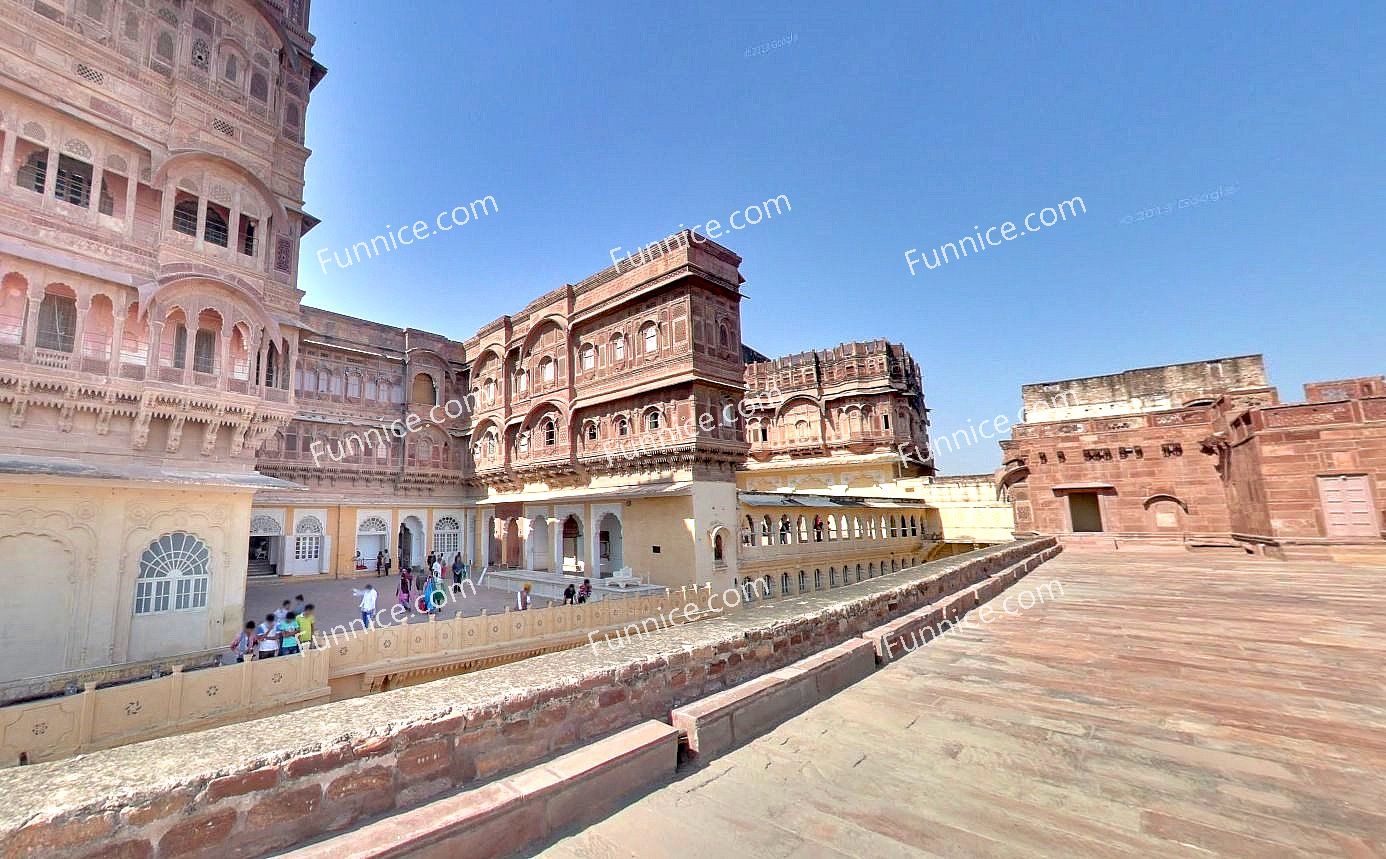
Once inside the inner complex, the atmosphere changes dramatically. The rugged military exterior gives way to the elegance and luxury of the royal palace.
The Magnificence and Intricacy of the Inner Palace
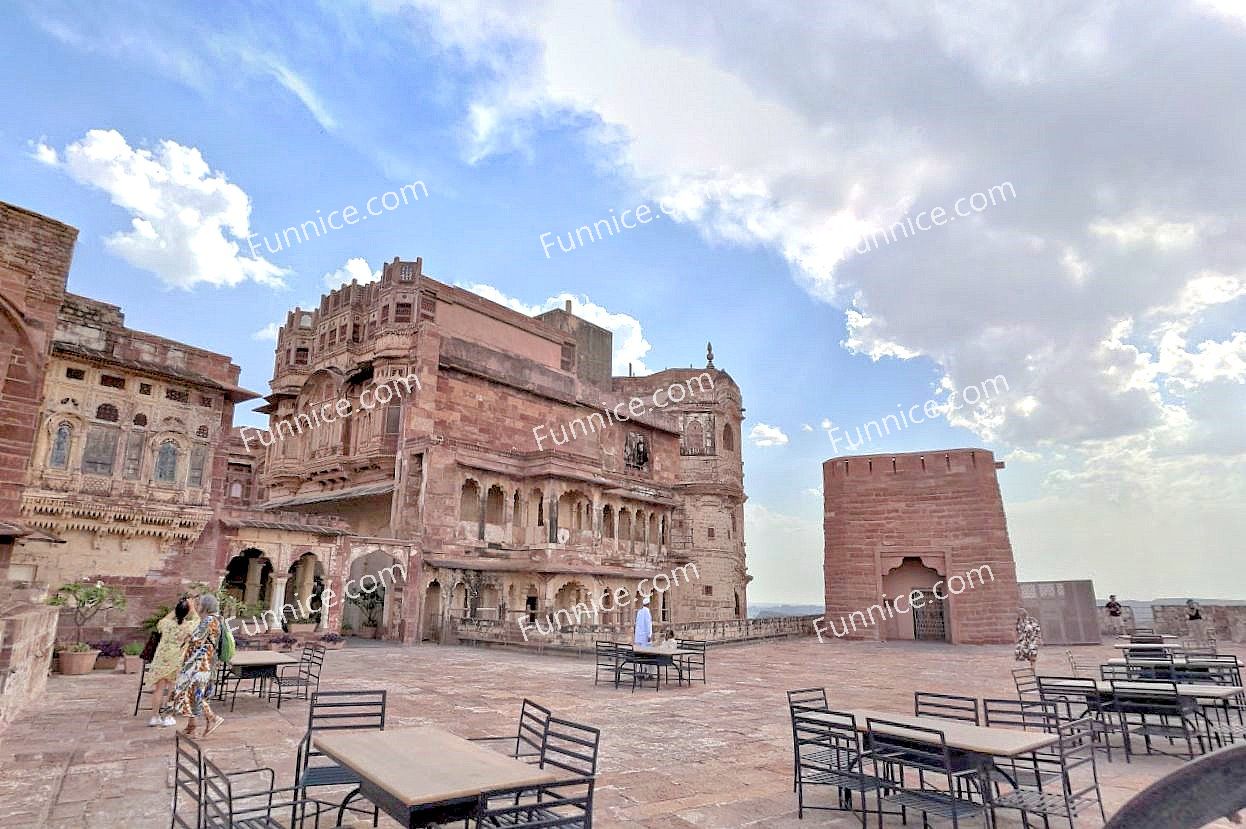
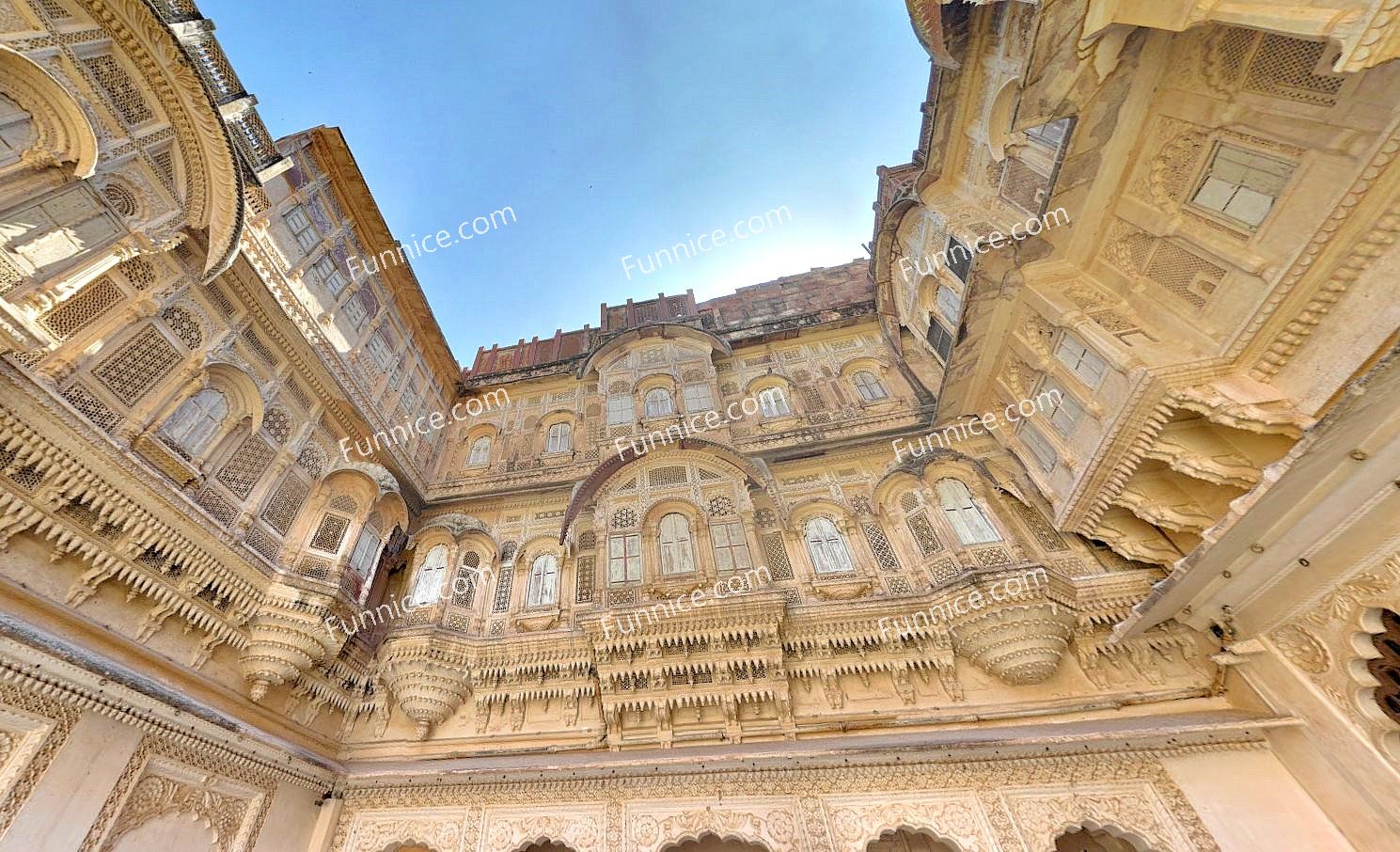
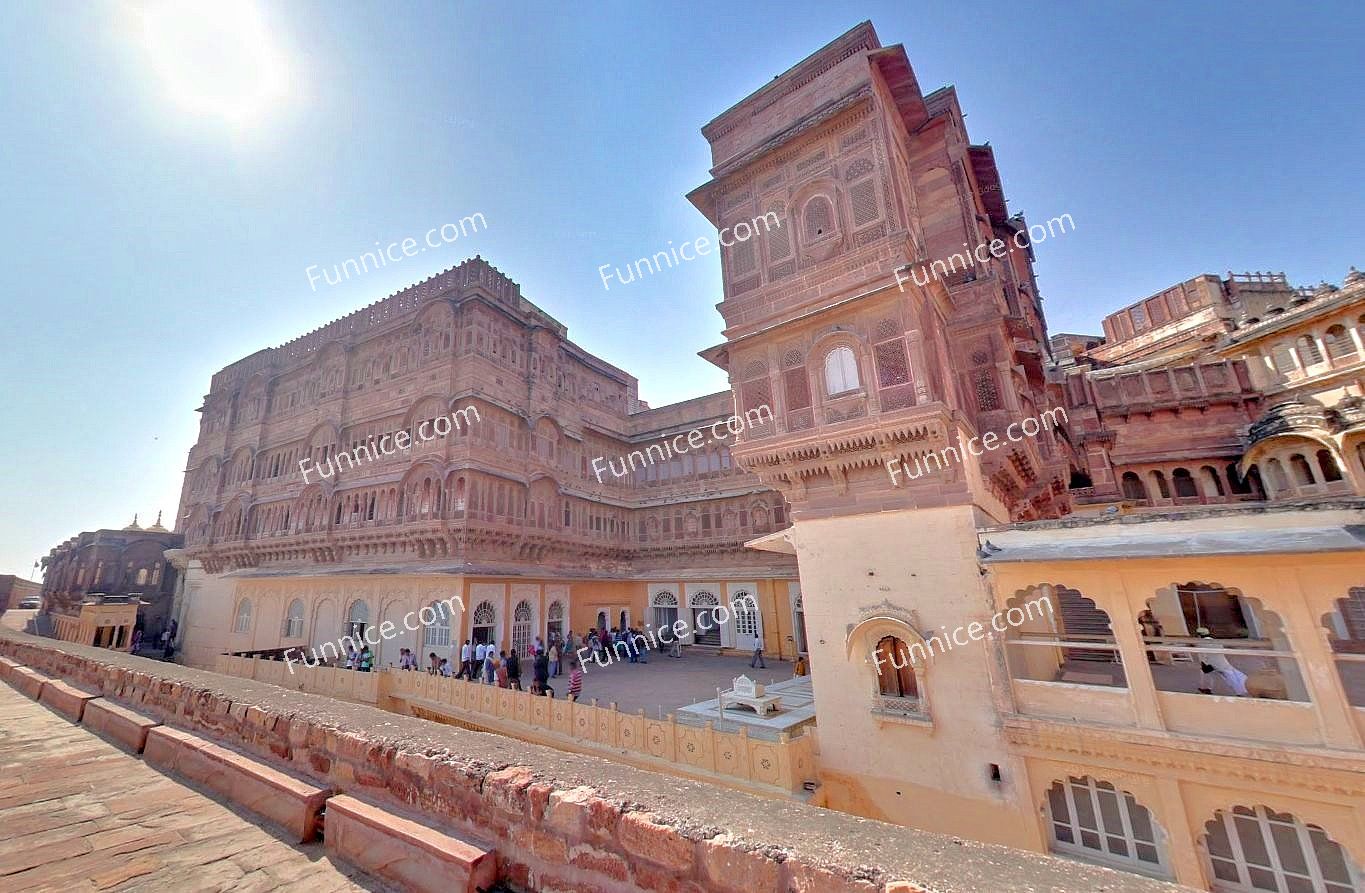
Sringa Chowk is the main courtyard of Mehrangarh Fort and historically served as the stage for royal ceremonies and celebrations. Coronations were held here, including that of the current Maharaja of Jodhpur in 1952. Standing in this open courtyard, it’s easy to imagine the pageantry that once filled the space.
One of the oldest rooms in the fort is Moti Mahal, built in the 16th century as the king’s private audience hall. Its ceiling is richly decorated with gold leaf, crushed seashells, and mirrors, giving the room a luminous glow. When sunlight passes through the five stained-glass windows, colorful light spreads across the walls, creating an almost dreamlike atmosphere.
Phool Mahal, meanwhile, once served as the royal entertainment hall. This was where the king enjoyed music and dance performances during Jodhpur’s most prosperous period. The palace is lavishly decorated from floor to ceiling—carpets, columns, windows, and painted panels all contribute to its extravagant atmosphere. The detailed murals depict scenes from royal life, offering a glimpse into the opulence of the past.
Although smaller in size, Sheesh Mahal is equally striking. Its walls are covered with delicate mirror work and stained glass. When illuminated by candlelight, the entire room would shimmer with reflected light, creating a magical and almost mystical environment. Floral designs inspired by Hindu mythology decorate the walls, adding another layer of artistic detail.
Another palace room once served as the bedroom of Maharaja Takhat Singh. During his reign, Jodhpur had become a princely state under British influence, and the décor reflects this cultural blending. Colorful glass ornaments decorate the room, and the ceiling is even adorned with Christmas-style baubles—an unexpected mix of Rajput and European aesthetics.
In historical India, royal women were not allowed to appear in public. At Mehrangarh Fort, however, they could observe events below from behind intricately carved stone lattice windows in Jhanki Mahal. These screens allowed them to watch ceremonies taking place in Sringa Chowk without being seen themselves. Today, part of Jhanki Mahal has been converted into the Cradles Gallery, displaying beautifully crafted royal cradles from different centuries—each offering a small glimpse into the childhood of royal families.
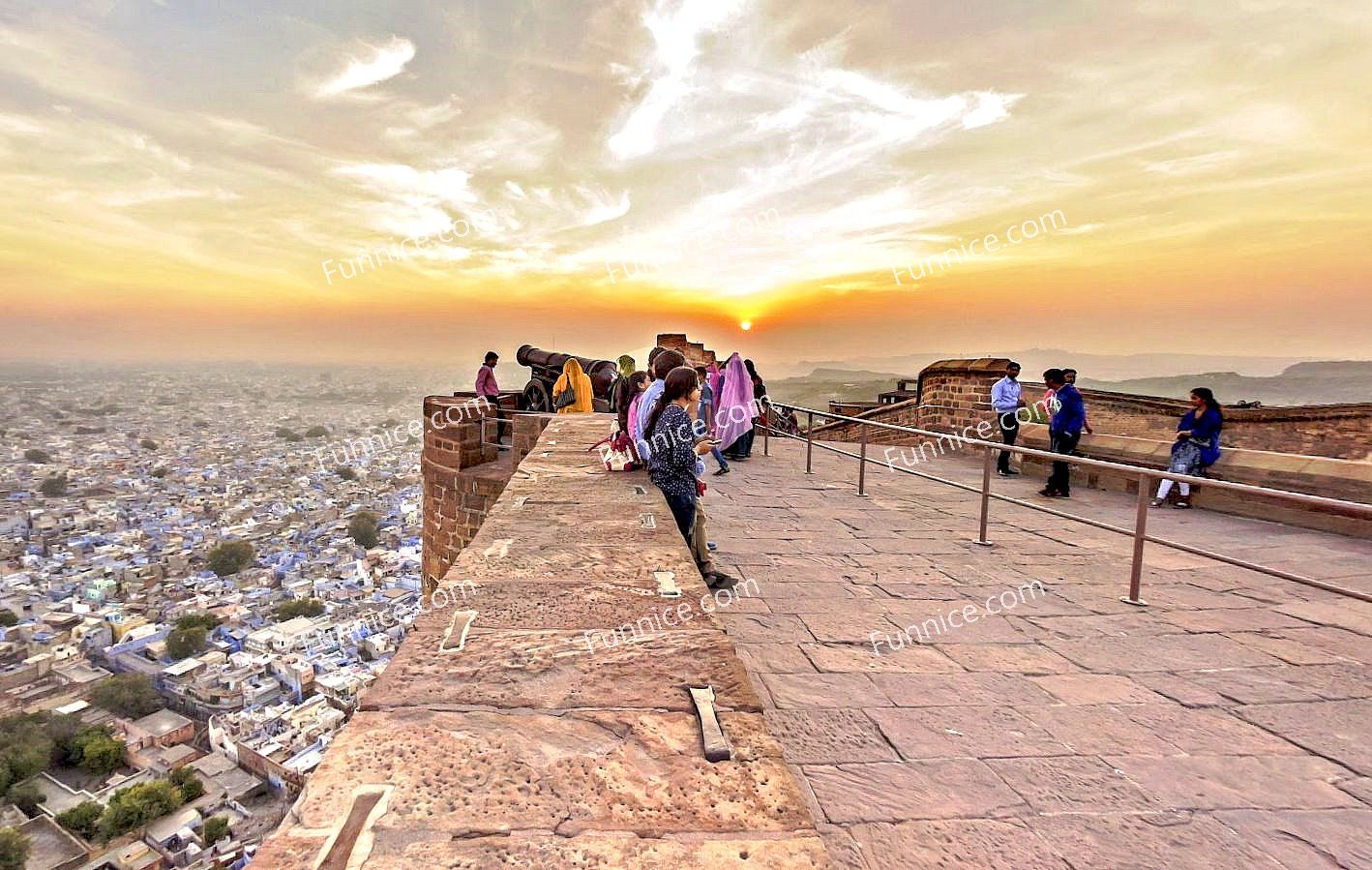
From the ramparts of Mehrangarh Fort, the view over Jodhpur is breathtaking. The city spreads out below like a vast blue mosaic. The nickname “Blue City” comes from the many houses painted in shades of blue. Originally, this tradition began among the Brahmins, the priestly caste, as a symbol of purity. Over time, more residents adopted the practice, gradually turning the old city into a sea of blue rooftops. The color also has a practical purpose—it helps keep homes cooler in Jodhpur’s intense desert heat.
Mehrangarh Fort is open daily from 9:00 AM to 5:00 PM. Entry fees are roughly 600 INR for foreign visitors and about 100 INR for Indian citizens, although prices can change. The most comfortable time to visit is between October and March, when the weather is cooler and more pleasant for exploring the fort.
Today, Mehrangarh Fort is far more than just a defensive structure. It is a living museum of history, art, and architecture. Massive stone walls speak of military power, while the palaces inside reveal the elegance and sophistication of royal life. Standing at the top of the fortress and looking out over the endless blue houses of Jodhpur, it’s easy to feel how centuries of history still linger in the air.