

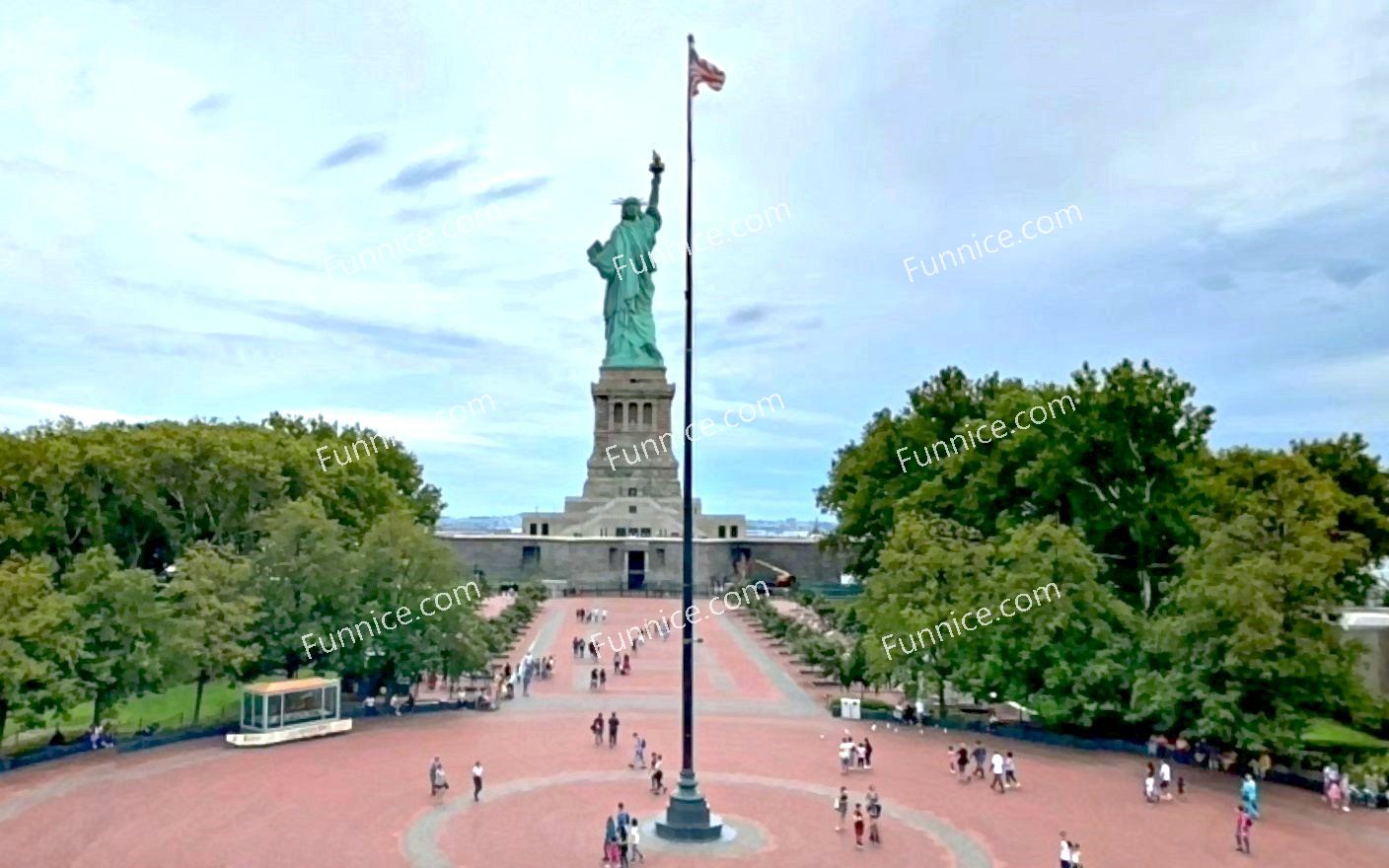
The Statue of Liberty: A Symbol of Freedom in New York
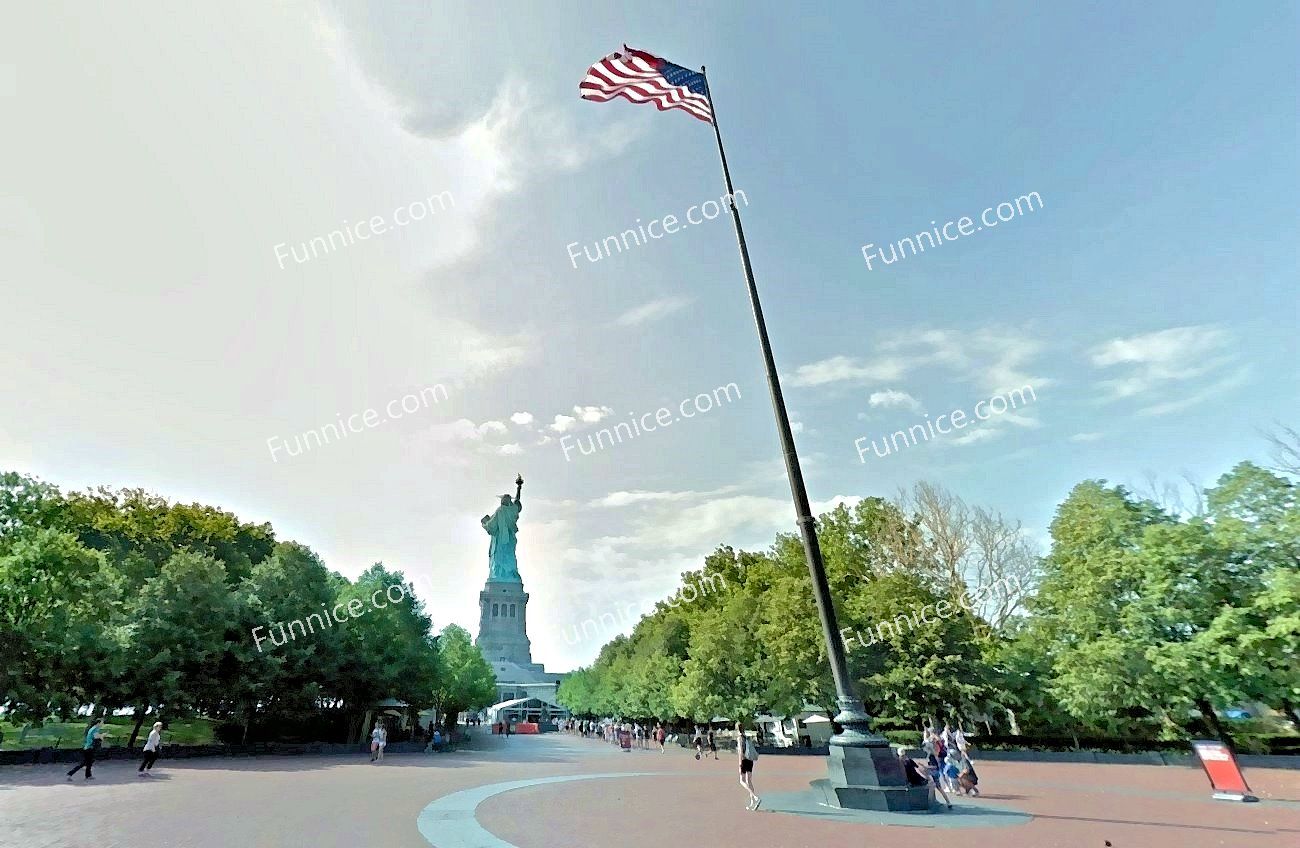
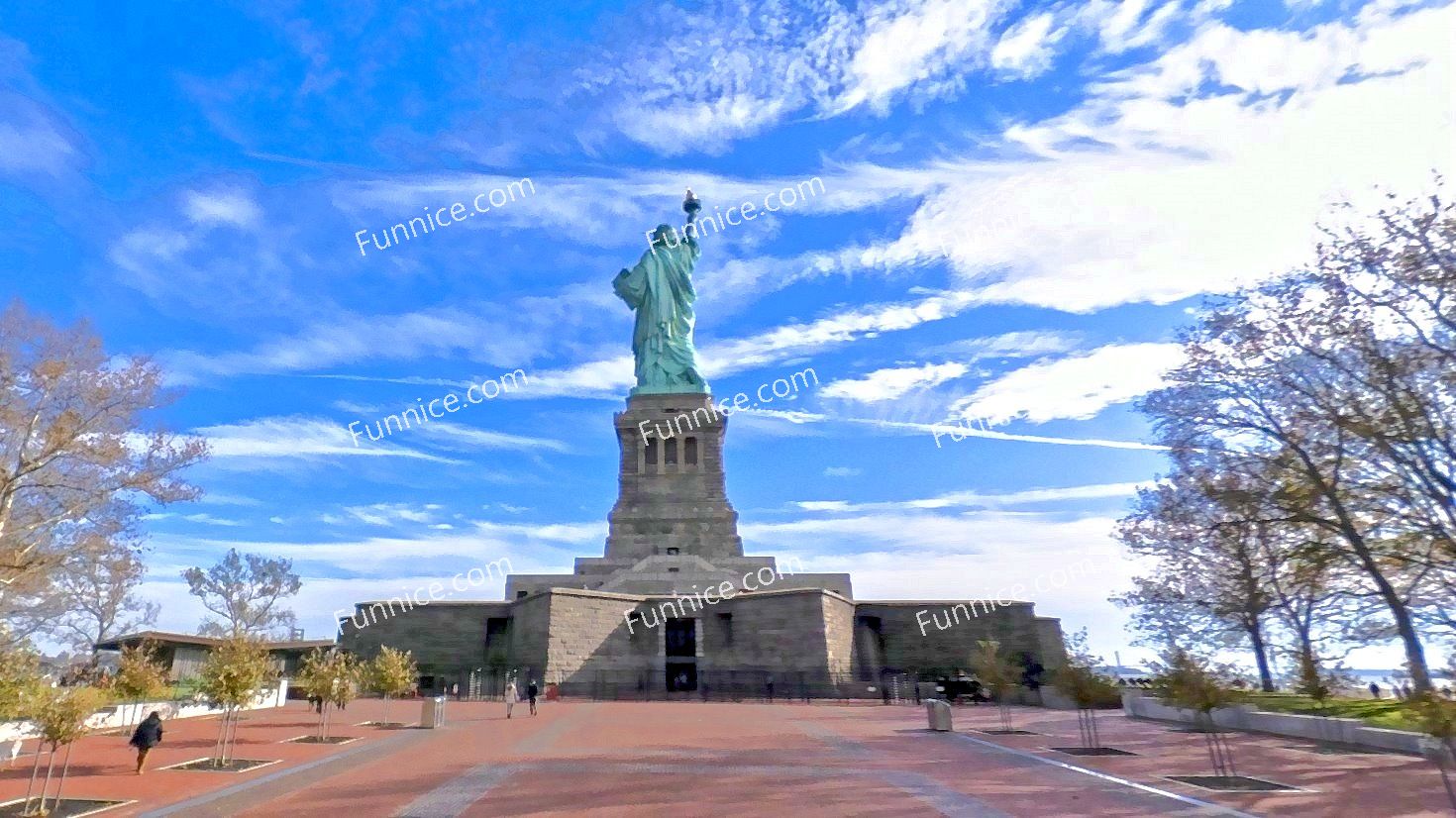
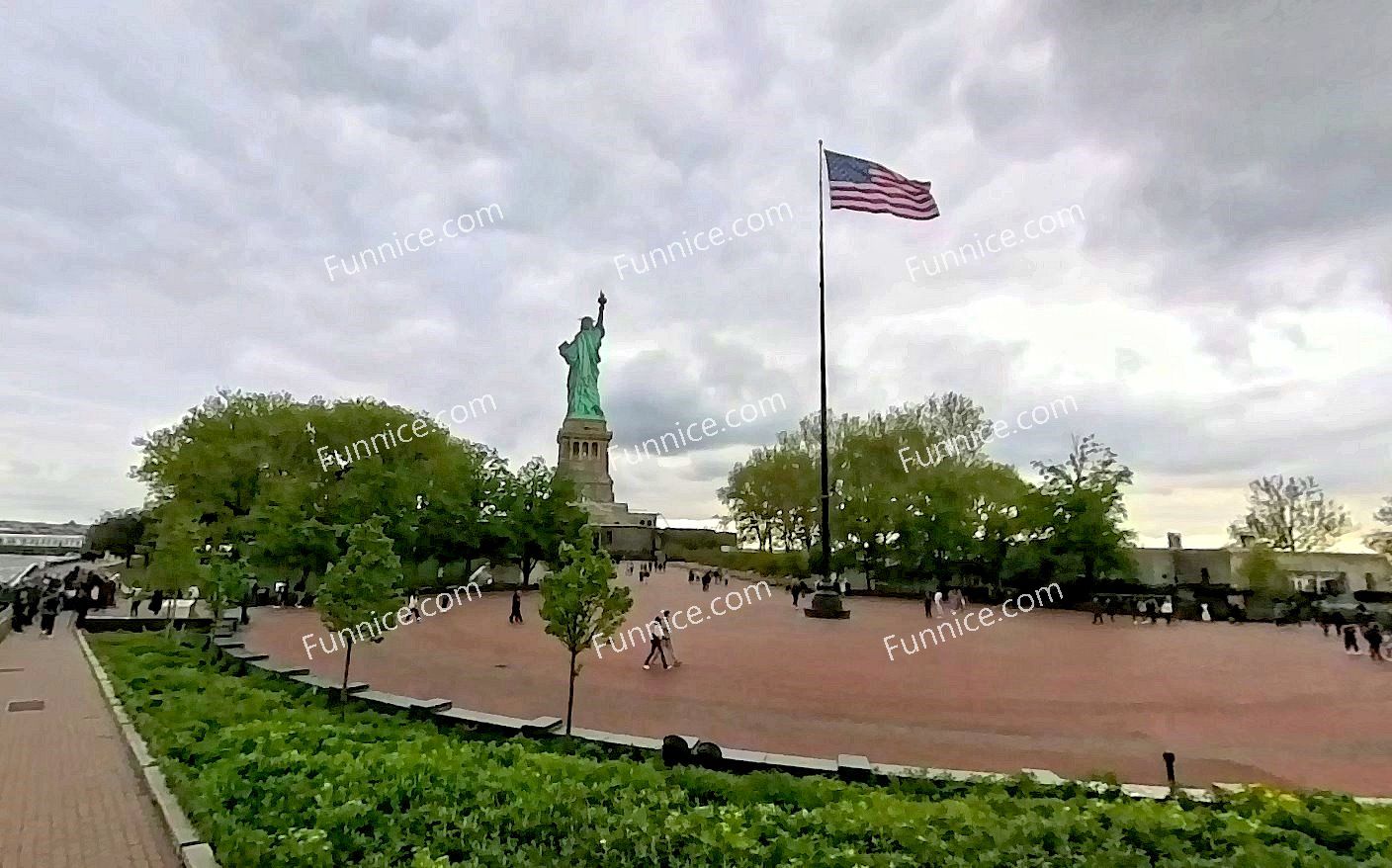
Standing proudly in New York Harbor, the Statue of Liberty is one of the most recognizable landmarks in the United States. More than a famous tourist attraction, the statue has become a lasting symbol of freedom, democracy, hope, and the immigrant experience.
Officially known as Liberty Enlightening the World (La Liberté éclairant le monde in French), the Statue of Liberty stands on Liberty Island in New York Harbor. It was designed by French sculptor Frédéric Auguste Bartholdi, with its innovative internal structural framework engineered with the involvement of Gustave Eiffel. The completed monument was officially dedicated on October 28, 1886, as a gift from the people of France to the people of the United States.
What Does the Statue of Liberty Represent?
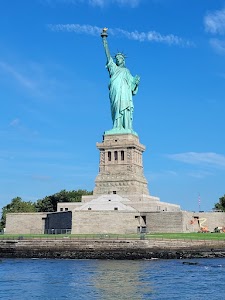
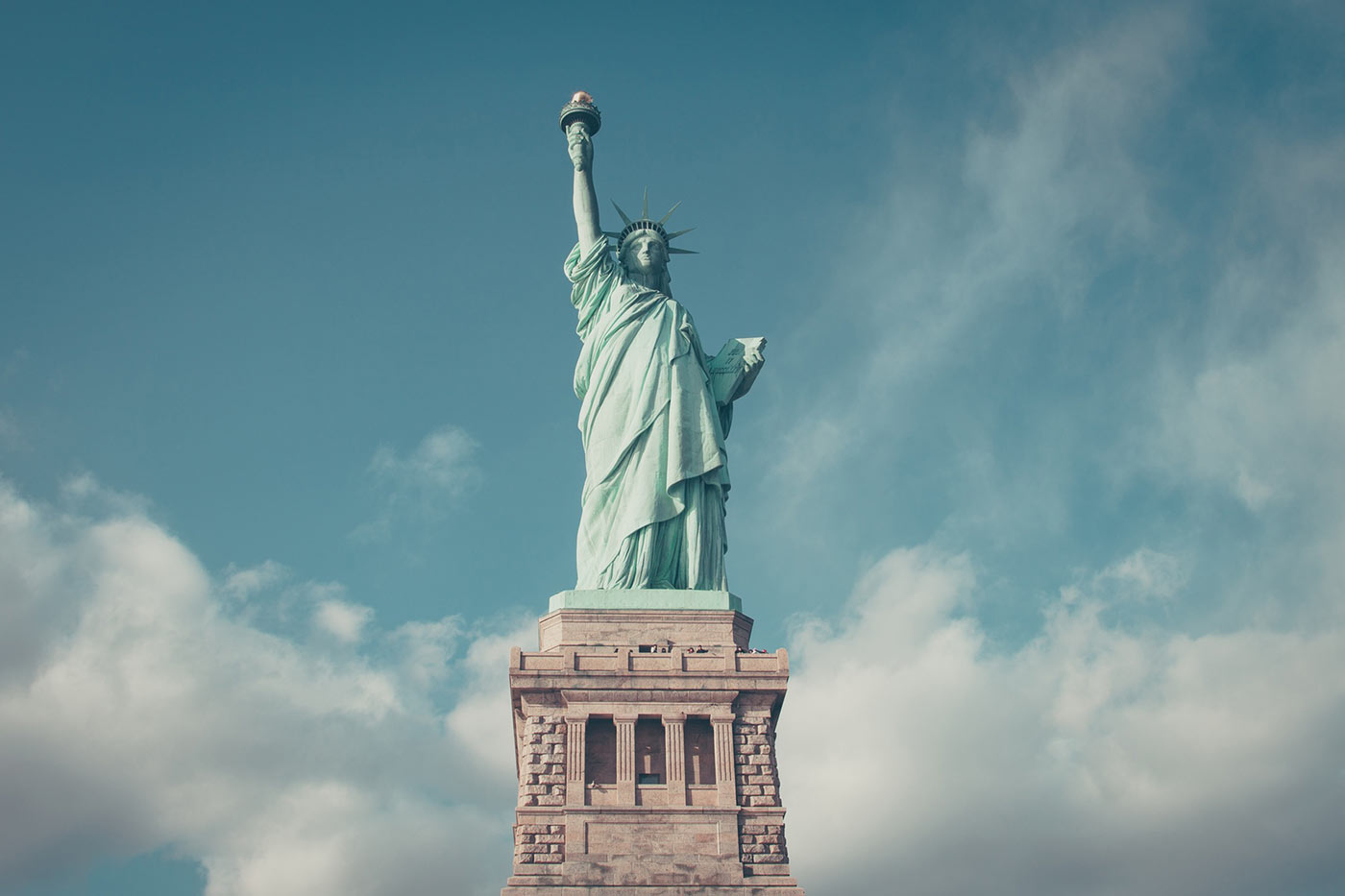
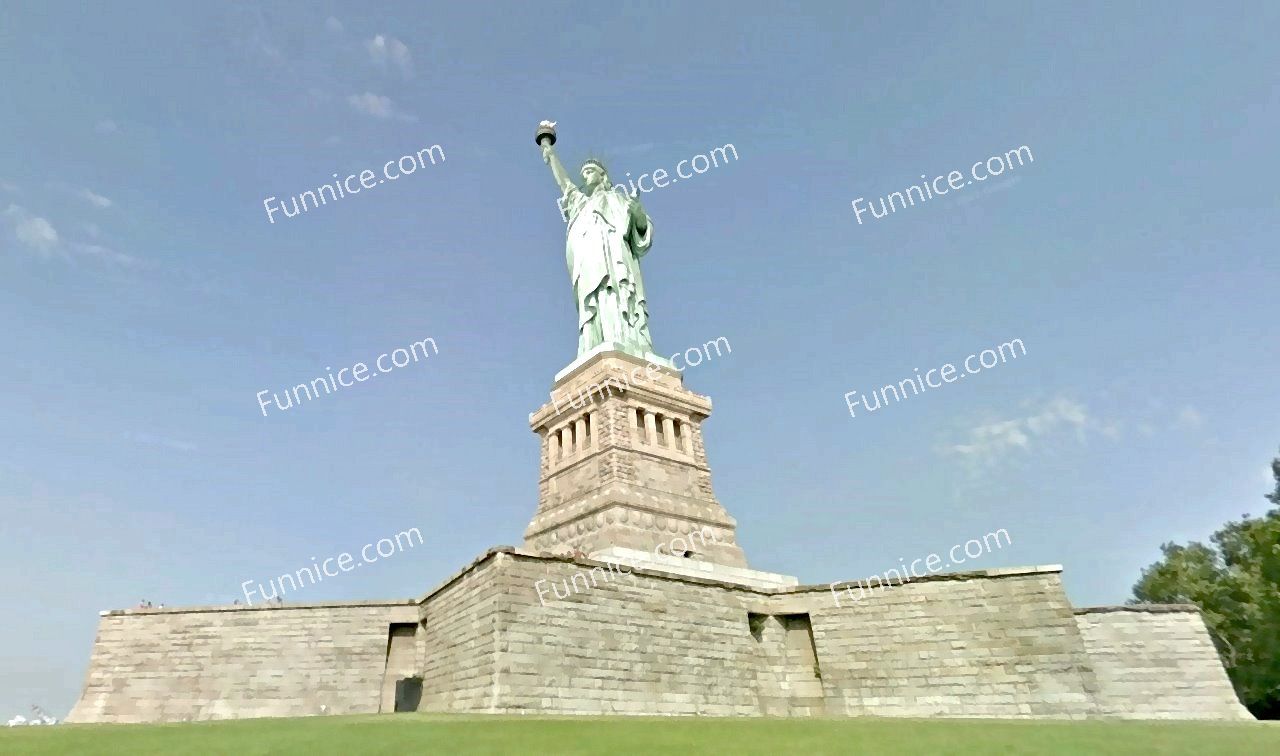
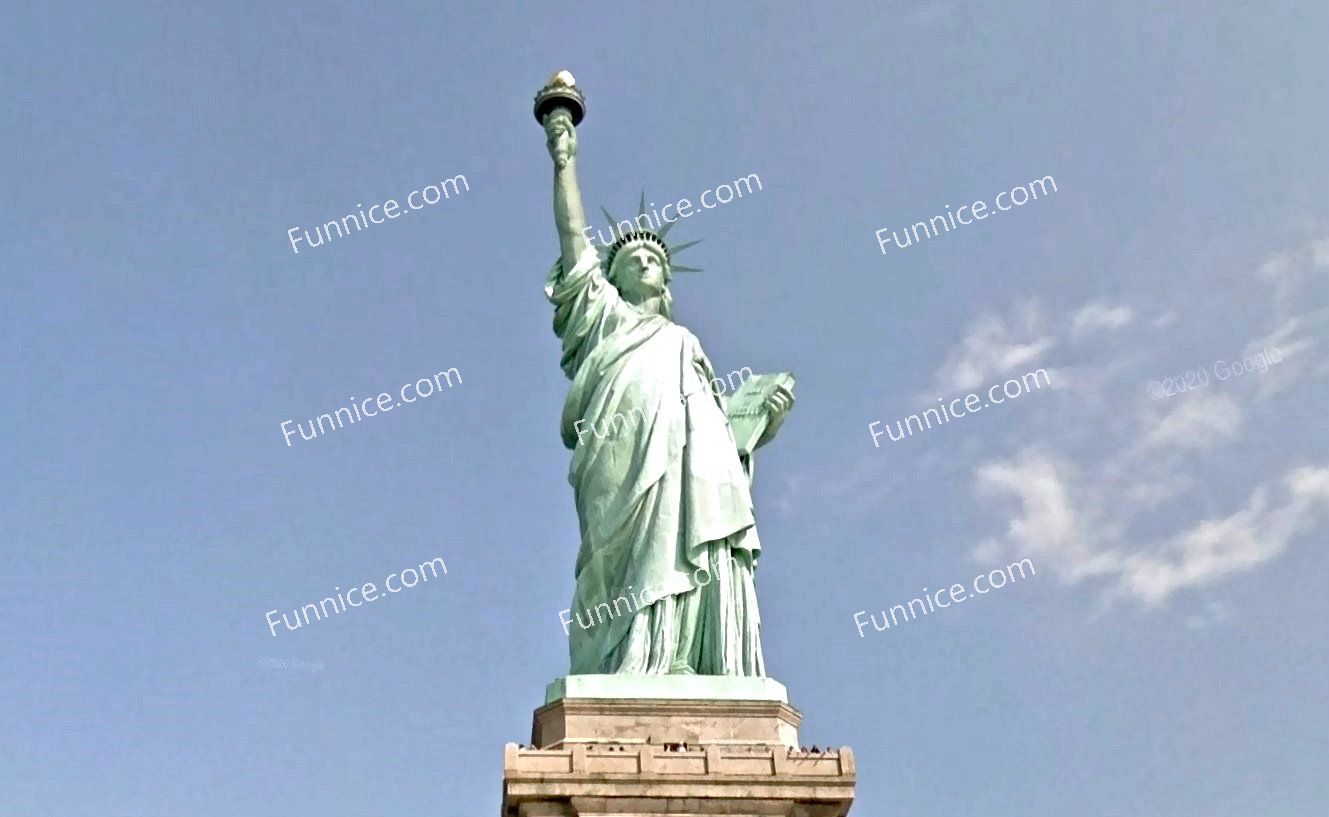
The statue portrays a robed woman representing Libertas, the ancient Roman goddess of liberty.
In her raised right hand, she holds a torch, representing enlightenment and the light of freedom. In her left hand, she carries a tablet inscribed with the date of the American Declaration of Independence:
JULY IV MDCCLXXVI
Written in Roman numerals, the inscription refers to July 4, 1776, the date associated with the adoption of the Declaration of Independence.
At her feet are broken chains, symbolizing the end of oppression and the pursuit of freedom.
Over time, the Statue of Liberty came to represent more than American independence. For generations of immigrants arriving in New York by ship, the statue became one of the first major symbols of the United States they encountered. As a result, it has also become closely associated with immigration, new beginnings, and the hope for a better life.
The Idea Behind the Monument
The story of the Statue of Liberty began in France in the 19th century.
In 1865, French jurist and political thinker Édouard René de Laboulaye proposed creating a monument to commemorate the centennial of American independence. He envisioned the project as a joint effort between France and the United States and as a symbol of the friendship between the two nations.
The idea inspired sculptor Frédéric Auguste Bartholdi, who began developing plans for the monument. Political instability in France delayed the project, but work gradually moved forward during the early 1870s.
By 1875, the basic division of responsibilities had been established. France would fund and construct the statue itself, while the United States would provide the site and build the pedestal.
Fundraising and the Statue’s Journey to America
Before the entire statue was completed, Bartholdi displayed several major sections at international exhibitions to generate public interest and encourage fundraising.
In 1876, the statue’s torch-bearing arm was displayed at the Centennial Exposition in Philadelphia. It was later exhibited at Madison Square in New York City, where visitors could see part of the enormous project taking shape.
While fundraising in France progressed, obtaining enough money for the American pedestal proved difficult. By 1885, the pedestal was still threatened by a shortage of funds.
A major breakthrough came when Joseph Pulitzer, publisher of The New York World, launched a public fundraising campaign. More than 120,000 people contributed, many of them giving less than one dollar.
The campaign demonstrated how ordinary members of the public could help complete a project that had become a national symbol.
The statue itself was completed and assembled in France before being dismantled and transported across the Atlantic. It arrived at Bedloe’s Island, now known as Liberty Island, where workers reconstructed it on its completed pedestal.
The Dedication of the Statue
On October 28, 1886, the Statue of Liberty was officially dedicated.
U.S. President Grover Cleveland presided over the dedication ceremony, which was accompanied by large celebrations throughout New York City.
The event marked the completion of a remarkable international project. A monument conceived in France, constructed with French expertise and American support, had become a permanent feature of New York Harbor.
Its location was particularly significant. Positioned at the entrance to one of America’s busiest ports, the statue could be seen by ships approaching New York.
A Landmark That Has Needed Constant Preservation
After its dedication, the Statue of Liberty required ongoing maintenance and preservation.
The monument was initially administered by the United States Lighthouse Board. In 1901, responsibility was transferred to the Department of War, and in 1933, the statue came under the care of the National Park Service (NPS).
By the early 20th century, exposure to weather and the marine environment had begun to take its toll. The statue underwent several periods of maintenance and restoration.
One of the most significant restoration projects took place from 1984 to 1986. During this major renovation, the torch was replaced and substantial portions of the internal structure were repaired or replaced.
The restoration helped preserve the monument for future generations while maintaining its historic appearance.
Closures After September 11
The Statue of Liberty was also affected by the security concerns that followed the September 11, 2001 attacks.
The monument was closed to visitors for security reasons. The pedestal eventually reopened in 2004, while access to the statue itself resumed later. When visitors were once again permitted to enter the upper areas, access to the crown was subject to capacity restrictions.
From 2011 to 2012, another temporary closure took place while safety improvements were carried out. The work included the installation of additional staircases and other upgrades.
The statue reopened on October 28, 2012, but its return to public access was short-lived. The following day, Hurricane Sandy struck the New York area and caused significant damage to Liberty Island and its facilities.
After further repairs, the Statue of Liberty finally reopened to the public on July 4, 2013.
Can Visitors Go Inside the Statue?
Visitors can explore parts of the Statue of Liberty, but access to every area is not permitted.
One of the most notable restrictions concerns the balcony surrounding the torch. Because of safety concerns, this area has been permanently closed to the public since 1916.
Visitors can nevertheless experience different parts of the monument and Liberty Island, depending on the areas open to the public and the access restrictions in place at the time of their visit.
The crown is also a particularly popular destination and has historically been subject to visitor limitations because of the restricted space and safety requirements.
More Than a New York Tourist Attraction
The Statue of Liberty has stood in New York Harbor for more than a century, witnessing enormous changes in the city and the United States.
It was created as a symbol of friendship between France and the United States and as a monument connected to American independence. Over time, however, its meaning expanded.
For millions of people, the statue represents freedom and the ideals associated with American democracy. For immigrants and their descendants, it can also represent arrival, opportunity, and the beginning of a new chapter.
Today, the Statue of Liberty remains one of the defining symbols of New York City and the United States.
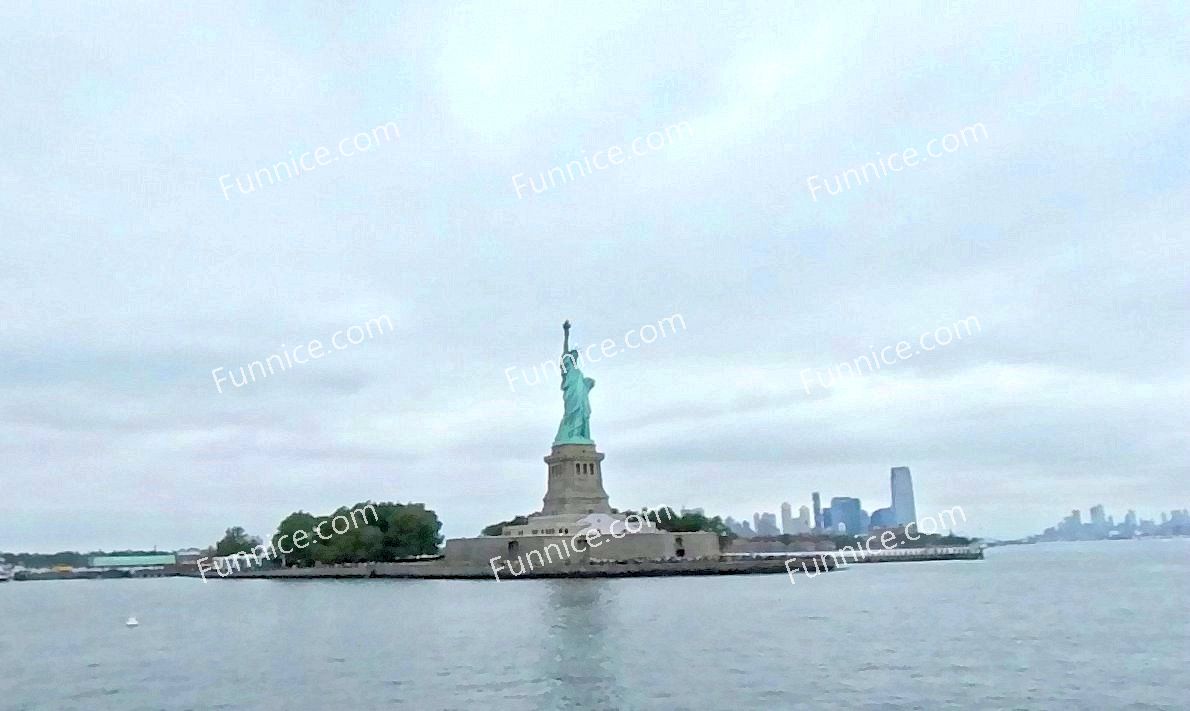
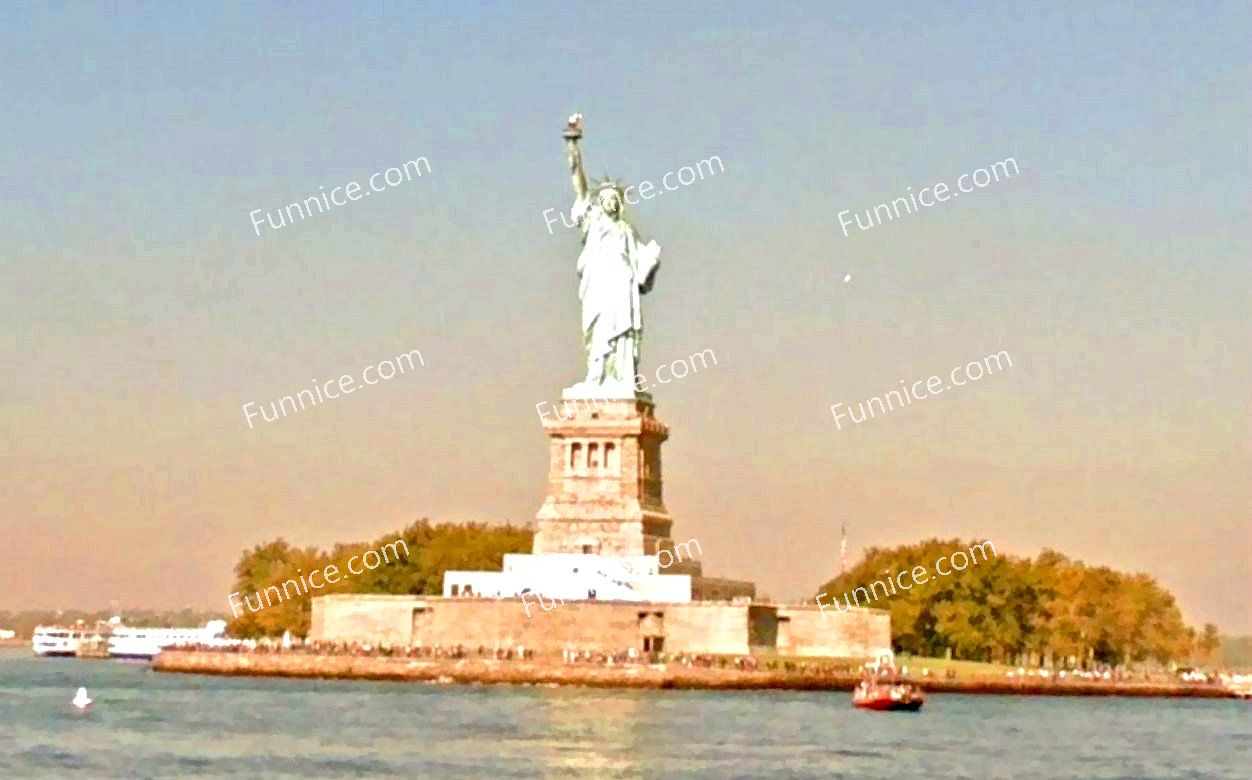
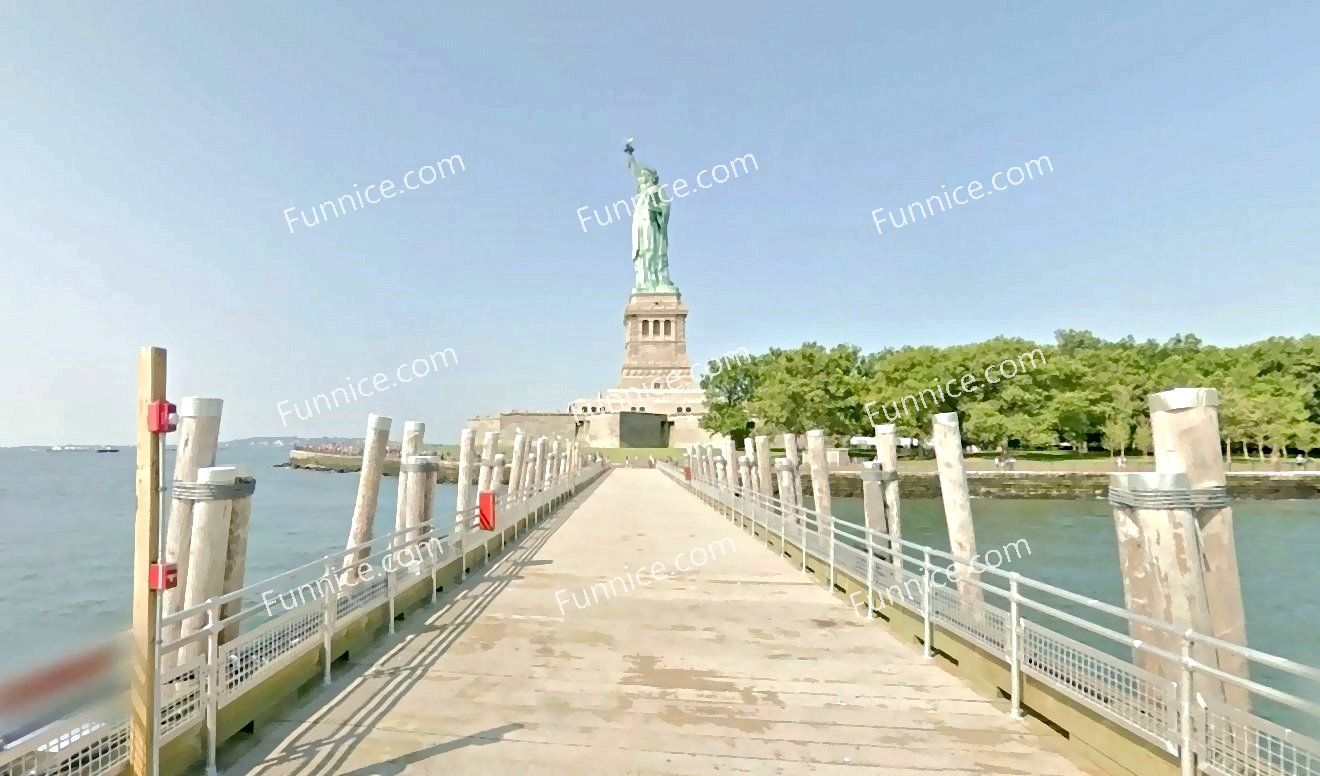
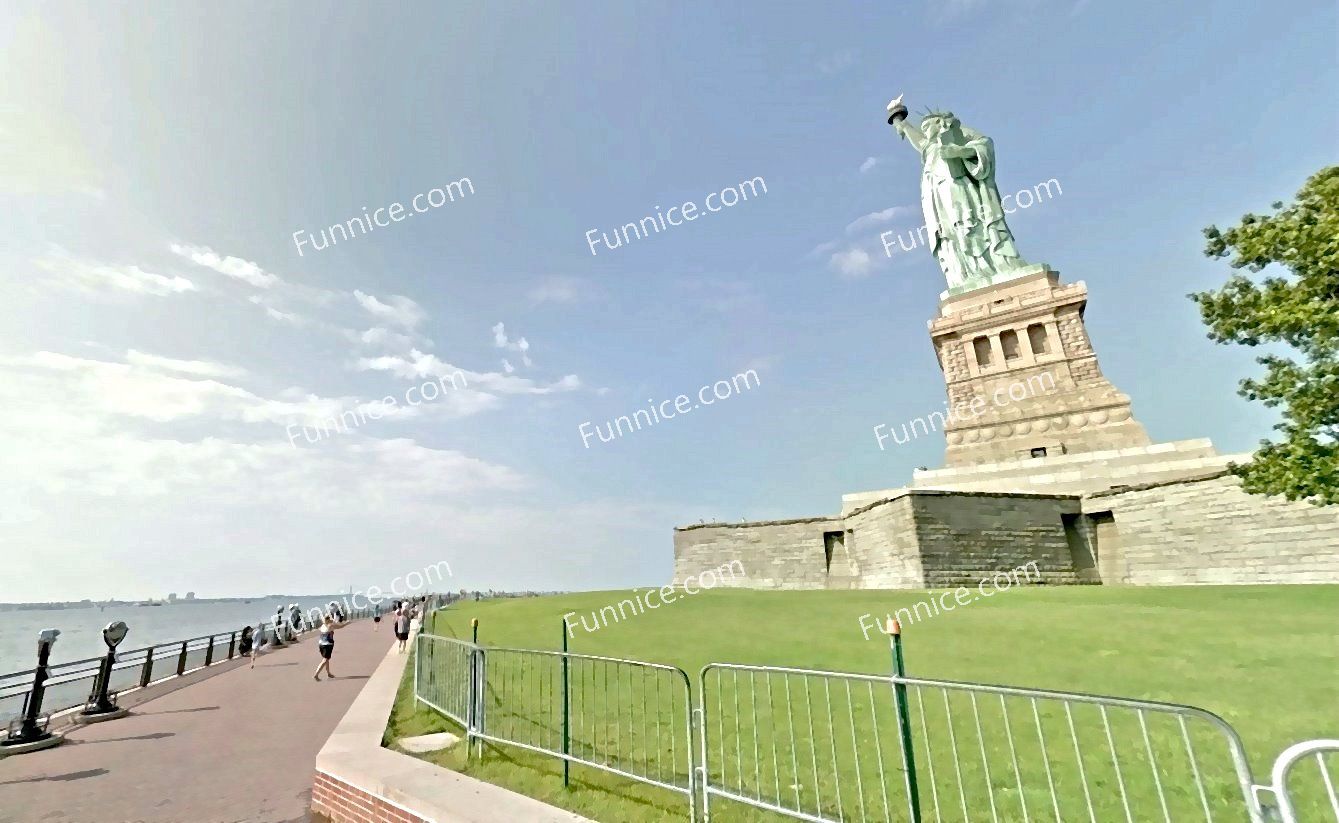
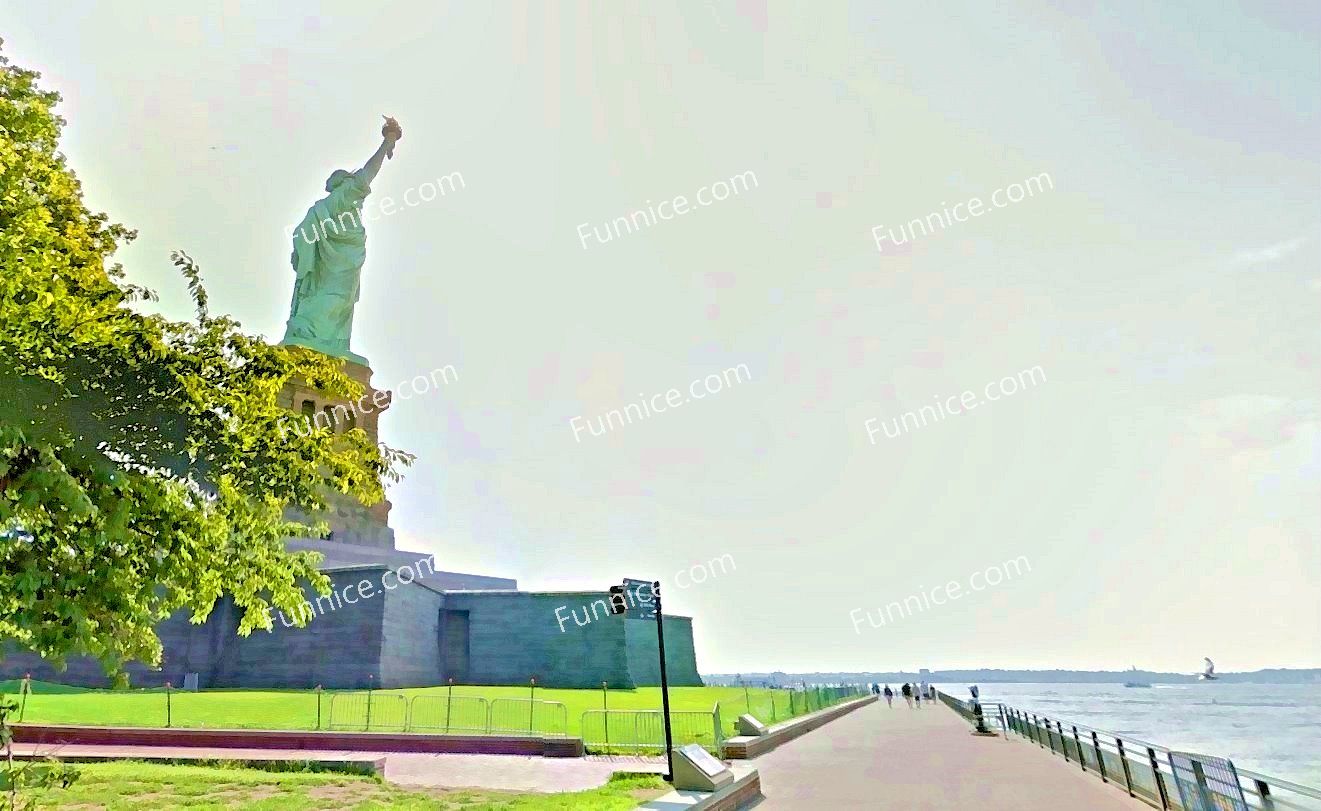
Whether viewed from a boat in New York Harbor, from Liberty Island, or from the surrounding waterfront, the sight of the woman holding a torch above the harbor remains instantly recognizable.
The Statue of Liberty is ultimately more than an enormous monument. It is a piece of history that connects France and the United States, independence and immigration, and the past with the present.
After more than 130 years, its torch continues to stand above New York Harbor as a powerful reminder of the enduring idea of freedom.